

QA & Test Automation
Two disciplines, one service: human exploratory and release QA that finds what scripts cannot imagine, and automated regression wired into CI/CD that guards what must never break twice. The trust proof: a UAE neobank handed us automated end-to-end coverage of its core banking journeys.
The free 30-minute session maps the journeys in your product that must never break, and what actually covers them today. You keep the marked-up map either way.
AI builds. Humans verify.
Audit & Human Oversight · The group promiseThe quality situations that walk in
Releases wait on a human clicking through everything
Every deploy needs someone to walk account creation, checkout, the money paths — so releases slow to the pace of the walkthrough, batches grow, and risk per release rises. Automation of exactly those journeys is what restores cadence.
The bugs that hurt were never in any script
The double-tap on a slow connection, the back-button mid-payment, the emoji in the name field. Scripted tests check what someone predicted; exploratory QA is the discipline of finding what nobody did — and it is human work by nature.
The test suite exists and everyone ignores it
Red builds that "always do that", tests skipped in CI, green runs that assert nothing. Test theatre is worse than absence because it launders confidence. Rebuilding trust in a suite is a known job with known steps, and we do it.
AI writes the code; nothing verifies the product
Teams generating features at AI speed often generate tests the same way — plausible, green, and asserting very little. The verification layer needs human design even when execution is automated.
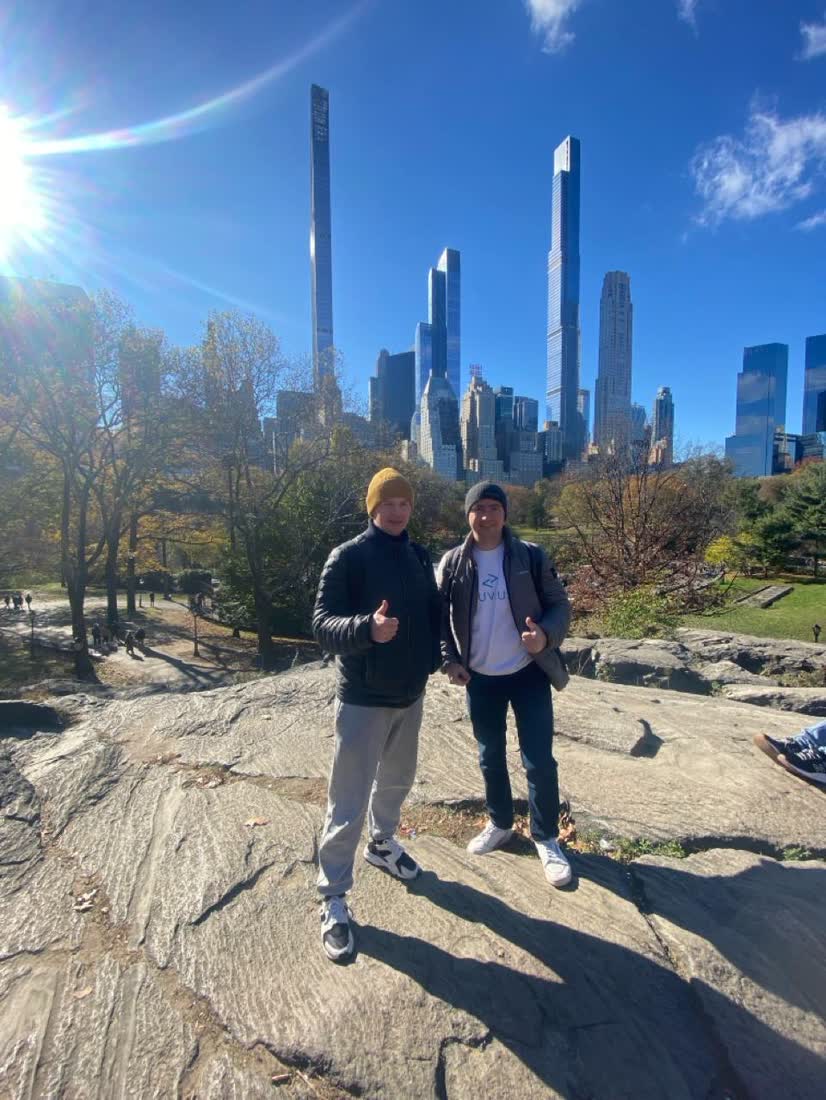
Exploratory QA happens on real devices with real impatience — the conditions your users bring, reproduced on purpose.
The two disciplines, concretely
Human exploratory QA
Structured exploration by QA engineers who read the product like an adversary: edge inputs, timing, interrupted flows, real devices, real impatience.
You get: bug reports developers act on — reproducible, prioritised, honest.
Human release QA
Pre-release passes on the journeys that matter, on a checklist that evolves with the product — the judgment layer before customers become testers.
You get: a release verdict a human signs, on evidence.
Automated regression in CI/CD
End-to-end coverage of the must-never-break journeys — stable data, deterministic state, honest failure signals — running on every pipeline execution, not before every release.
You get: the neobank pattern: coverage the pipeline enforces.
Suite rescue and anti-theatre
Existing suites stabilised: flaky tests fixed or deleted, empty assertions exposed, runtime cut until green means something again.
You get: a suite the team believes — the only kind that works.
How it works
Journey mapping
The flows that carry money, data and reputation, ranked — with what covers each today, honestly.
First coverage, both kinds
Exploratory passes begin immediately; automation lands on the top journeys with stable test data and CI wiring.
Cadence restored
The suite gates the pipeline; release QA shrinks to judgment instead of full walkthroughs; releases speed up.
Coverage as a practice
New features arrive with coverage; the exploratory rotation continues; the suite stays believed.
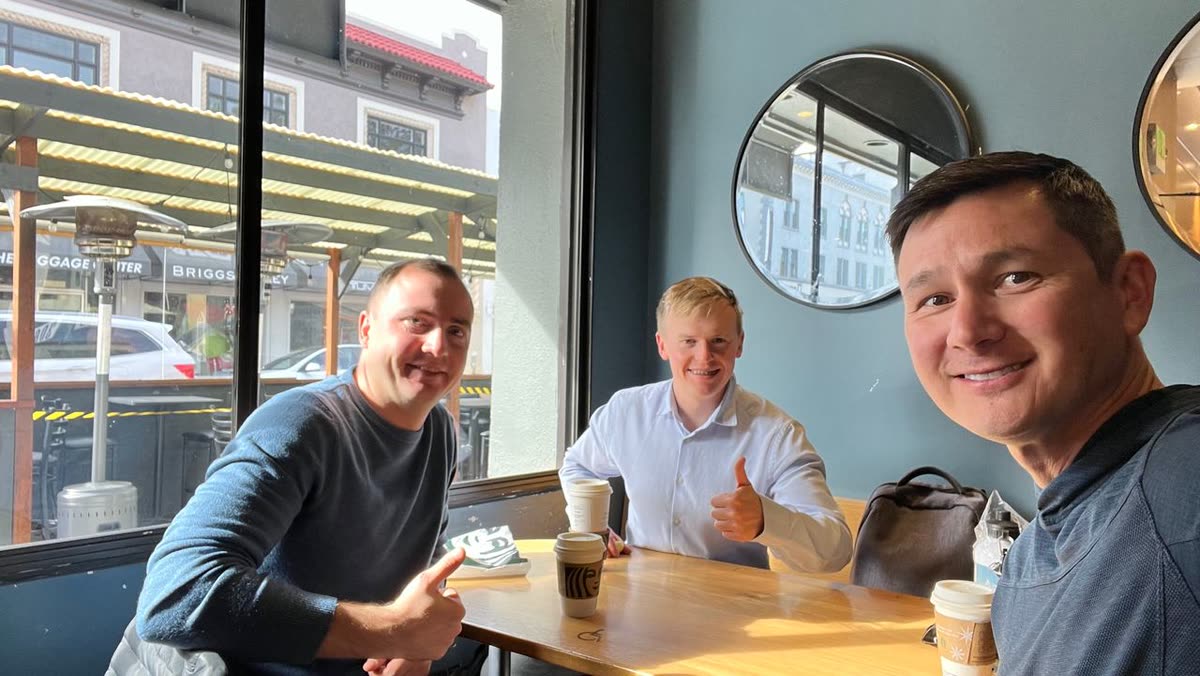
Green that means something. Every run.
Proof, not claims
The anchor is the strongest QA trust a fintech can extend; the portfolio behind it shipped under real review.
Quality under national-platform pressure
A Caribbean public-health programme’s travel and health platform, delivered fast under pandemic pressure — the delivery portfolio where release quality was non-negotiable.
Government review standards, passed
A ministry’s app live on iOS and Android — shipped through the review bars government bodies and app stores both impose.
A flaky suite guarding a payment journey is worse than none — people learn to ignore it. Coverage that runs on every pipeline execution, honestly green, is the deliverable.
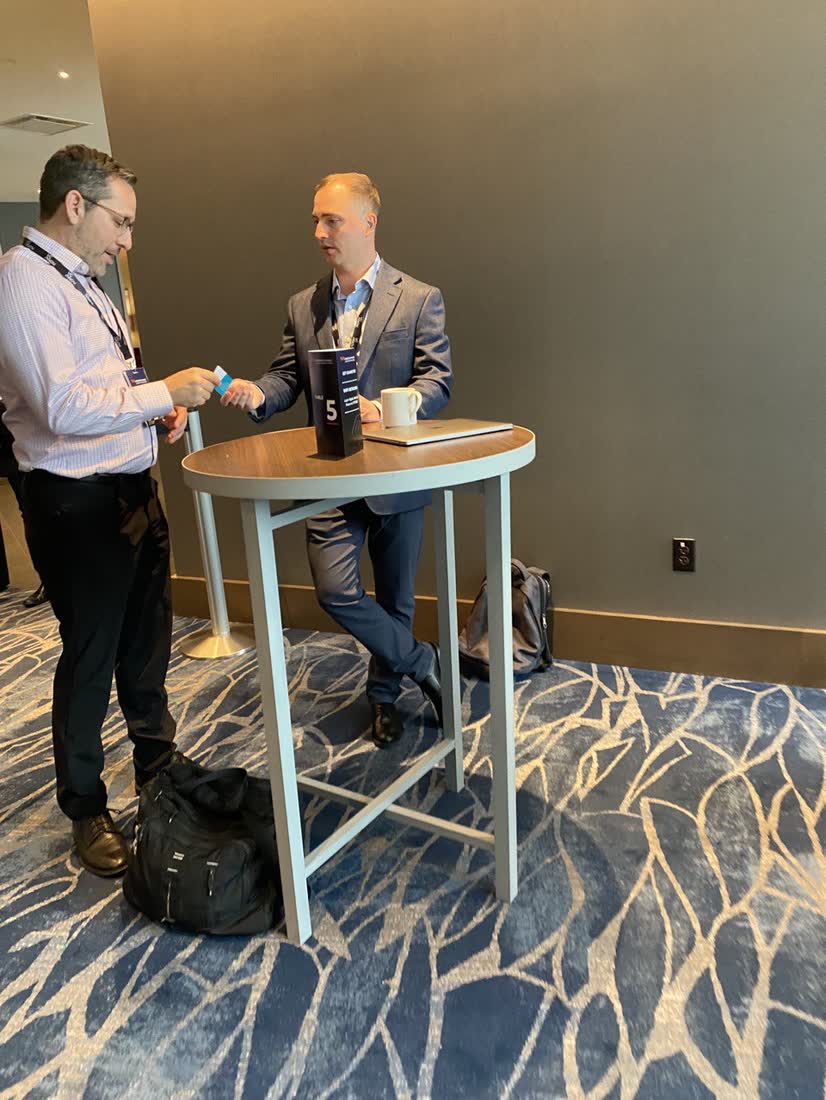
Coverage starts with a ranked map of the journeys that carry money and reputation. Tests are just the map, enforced.
Start with the journey map
One 30-minute session maps your must-never-break journeys and their real coverage. The first engagement — exploratory passes plus automation of the top journeys — is then scoped in writing and priced before anything starts.
Have a suite already? The first engagement is often a suite health review: what it actually covers, what it pretends to. Findings in writing.
Clients also buy
Code Review as a Service
A senior human engineer on every pull request, as a monthly subscription — before it reaches production.
DevOps & Cloud Engineering
CI/CD, infrastructure as code, observability and cloud spend that stops surprising you.
Protection from AI Threats
Deepfake fraud, AI phishing, malicious bots, prompt injection, shadow-AI leakage — assessed and monitored by humans.
The point of QA is not fewer bugs — it is a release cadence you trust. Everything on this page serves that.
The questions buyers actually ask
Why both human QA and automation — is one not enough?
They catch different classes of problem: automation guards the predicted paths tirelessly; humans find the failures nobody predicted. A product covered by only one is half-covered — which is why this is two blocks inside one service, not two services.
What makes an E2E suite trustworthy?
Three properties: stable test data, deterministic state, and honest failure signals — a red that means something and a green that asserts something. That is the standard the neobank engagement ran on, and flakiness is treated as a defect of the suite itself.
Which tools do you automate with?
Playwright-class browser automation for web, native tooling for mobile, wired into your CI so coverage runs on every pipeline execution. Tooling follows the product; the discipline is the constant.
Can you test AI features?
Yes — with evaluation sets and golden cases rather than exact-match assertions, plus structural checks on generated output. Verifying non-deterministic features is a discipline we also apply to our own AI products.
Can you take over a test suite another team built?
Yes — starting with a health review: real coverage vs claimed, flakiness sources, runtime, and the empty assertions. Then stabilisation in priority order until the team believes green again.
How does ongoing QA work?
On a monthly model: an exploratory rotation, release passes on your cadence, and automation that grows with every feature — plus the suite kept fast and believed, which is maintenance work automation-only vendors skip.
Independent human verification — the one-page version
The five Audit & Human Oversight services on one printable page: what each verifies, what the written output is, and where to start. Built to be forwarded to whoever holds the budget.
Ship weekly, sleep nightly
Book the free 30-minute session and we map your must-never-break journeys — or name the journey that scares you in two sentences, and an engineer replies in one business day.
- 30 minutes, an engineer on the call
- You keep the written notes either way
- Nobody follows up more than once