

IoT & Edge AI
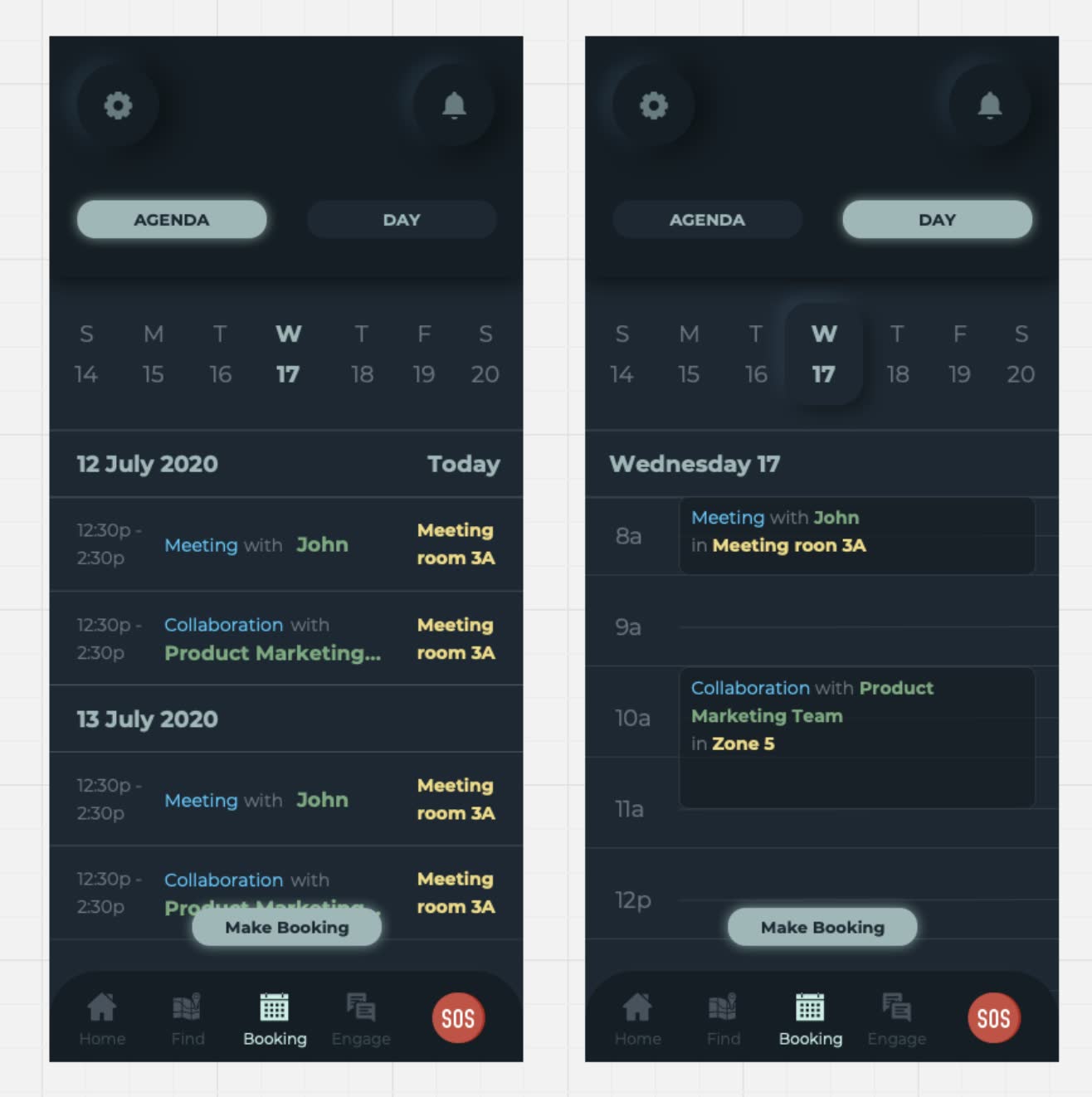
Connected devices with intelligence where it belongs — on the device, at the edge, and in the cloud behind it. This is physical AI in the practical sense: a novel power station for PV systems and a smart-workspace sensor platform both run software we built, from firmware to fleet backend.
The free 30-minute session reviews your device concept — sensing, connectivity, intelligence, fleet — and maps the honest build path. You keep the notes either way.
Where connected-device projects stall
The device works; the fleet is the product
One device on a desk is a demo. A thousand in the field — provisioning, updates, telemetry, dead batteries, offline gaps — is the actual product. Fleet thinking has to start at the schematic, and usually starts too late.
Cloud round-trips where milliseconds matter
A power station deciding on load, a sensor detecting an event — some decisions cannot wait for a server. Edge AI is the discipline of putting exactly the right slice of intelligence on the device, within its power and silicon budget.
Connectivity is assumed, then discovered
Basements, steel buildings, moving vehicles, congested spectrum. Products designed around perfect connectivity meet the physical world and file it as a bug. We design for the offline case first — sync is the feature.
Hardware, firmware and cloud speak three languages
Three vendors, three roadmaps, one seam-ridden product. The projects on this page shipped because one team owned the loop — device, edge and cloud — with our own hardware lab in Chisinau, Moldova on the physical side.
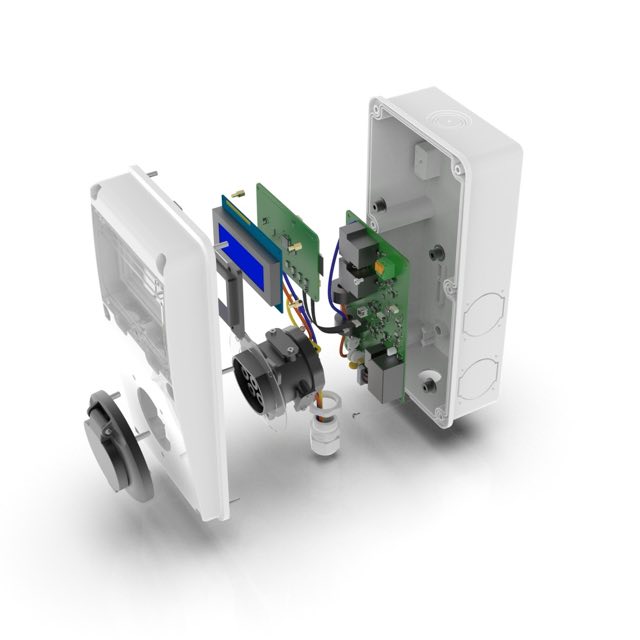
A connected product is four products wearing one enclosure: device, firmware, fleet and app. We build all four under one roof.
The full device loop
Sensing and device software
Sensor selection, firmware and power budgets engineered together — that pattern: measure honestly, sip the battery, report reliably.
You get: a device that keeps its promises for years on its power source.
Intelligence at the edge
On-device models for detection, anomaly and control decisions that cannot wait for a network — sized to the silicon, tested against real conditions. Physical AI, budgeted honestly.
You get: edge decisions measured in milliseconds and milliwatts.
The fleet backend
Provisioning, OTA updates, telemetry, alerting and the dashboard your operations team lives in — the cloud half of every serious device product.
You get: a fleet you can see, update and trust from one screen.
The product around the device
Companion apps, integrations and the commercial logic — because a connected device is a service with hardware attached.
You get: the whole product, not a devkit with ambitions.
How it works
Concept and physics review
Sensing, power, connectivity and intelligence mapped against the real environment the device will live in.
Prototype the risk
The riskiest assumption — range, battery life, model accuracy on-device — built and measured first, with our hardware lab in Chisinau, Moldova on the physical side.
Device + fleet in parallel
Firmware and backend developed against each other, with OTA and telemetry from the first field unit.
Pilot fleet, then scale
A small real deployment proves the loop; scaling is then a manufacturing and operations question we also cover.
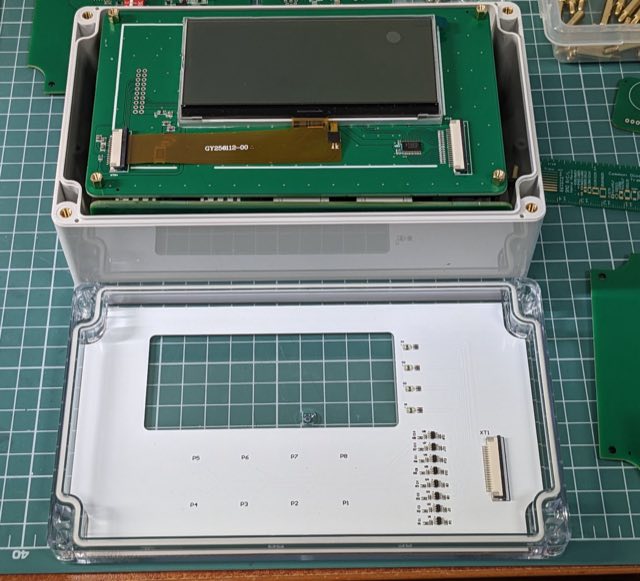
Physical AI: decisions in milliseconds, on milliwatts.
Proof, not claims
Two device platforms in the field, and the engineering culture around them.
A workspace sensor platform, shipped
Sensors, firmware, companion app and backend for smart-workspace monitoring — the complete small-device loop in production.
Industrial control heritage
Control software for tunnel-boring machinery — the industrial-grade discipline that IoT products inherit from us by default.
Two shipped device platforms — a smart power station and a workspace sensor line — run the full loop we sell: sense on the device, decide at the edge, learn in the cloud.
Range, power, thermal, spectrum — the datasheet negotiates with physics, and physics wins. We design on physics’ side.
Scope the device loop on a free session
One 30-minute session with an engineer who has shipped device platforms: your concept against physics, connectivity and fleet reality, with the riskiest assumption named. The prototype phase is then scoped in writing and priced before anything starts.
If your product is honestly a software product wearing a device costume — or vice versa — you hear that on the call.
Clients also buy
Embedded Firmware
C++ firmware for machines that cannot fail — tunnel-boring machine control, solar power stations, industrial sensors.
Data Engineering & AI Data Readiness
Most AI pilots die on bad data. Pipelines, models and an AI Data Readiness Audit that make yours survive.
Prototyping, Assembly & Testing
Prototype to small batch to FCC/CE/UL/RoHS testing — one lab, one accountable team.
The loop that defines this category: sense on the device, decide at the edge, learn in the cloud. Both our shipped platforms run it.
The questions buyers actually ask
What does "edge AI" mean in practice?
Intelligence that runs on the device itself — detection, anomaly recognition, control decisions — within its power and silicon budget, instead of round-tripping to a server. The craft is choosing which slice of intelligence lives at the edge and proving it fits; the rest stays in the cloud where iteration is cheap.
Can you do the hardware as well as the software?
Yes — our hardware lab in Chisinau, Moldova covers schematics, PCB design, prototyping and assembly, and our software teams cover firmware, edge models, backend and apps. One roof, one accountable team, which is why the seams do not show.
How do you handle devices that go offline?
By designing for offline first: local buffering, decisions that do not need the network, and sync as a first-class feature with conflict handling. Connectivity is treated as a probability, not an assumption — that single stance prevents most field surprises.
What about battery life promises?
They are engineered, then measured: power budgets set at the schematic stage, firmware written to sip, and real measured duty cycles before any number reaches a datasheet. Promises made from measurements survive the field.
How do updates reach devices in the field?
Through a signed OTA system with staged rollout and rollback, built alongside the first firmware, never after. A fleet you cannot update safely is a liability with a logo on it.
What does a first engagement look like?
The riskiest assumption, prototyped and measured — range in the real building, battery under the real duty cycle, the model on the real silicon. Typically four to six weeks, priced in writing, and it de-risks every budget decision after it.
From schematic to certified device — the one-page version
The Hardware & IoT Lab on one printable page: firmware, electronics, prototyping and certification testing, and how a device project moves through them. Built to be forwarded to whoever holds the budget.
From devkit to fleet
Book the free 30-minute session and we map your device loop and name the riskiest assumption — or describe the device in two sentences and an engineer replies in one business day.
- 30 minutes, an engineer on the call
- You keep the written notes either way
- Nobody follows up more than once