

The work that has to be right the first time.
In most software a defect costs a hotfix. In yours it is a regulator asking questions, a chargeback the company eats, or a customer’s money in the wrong account overnight. We do the engineering that carries that weight: a UAE retail bank had Fluvius engineers build its digital onboarding on-site, inside the bank, alongside its own team. A neobank handed us automated end-to-end coverage of its core banking journeys, wired into CI/CD. We are not a regulated entity and do not need to be — we build under your licence, inside your perimeter, and we would rather say that plainly.
We call it the Critical Journey Audit: a 30-minute working session, not a sales call. We map the journeys in your product that must never break, what covers them today, and where a defect would reach a customer or a regulator. You keep the one-page journey diagram either way — marked up with what is covered, what is assumed, and what is uninstrumented. Nobody follows up more than once.
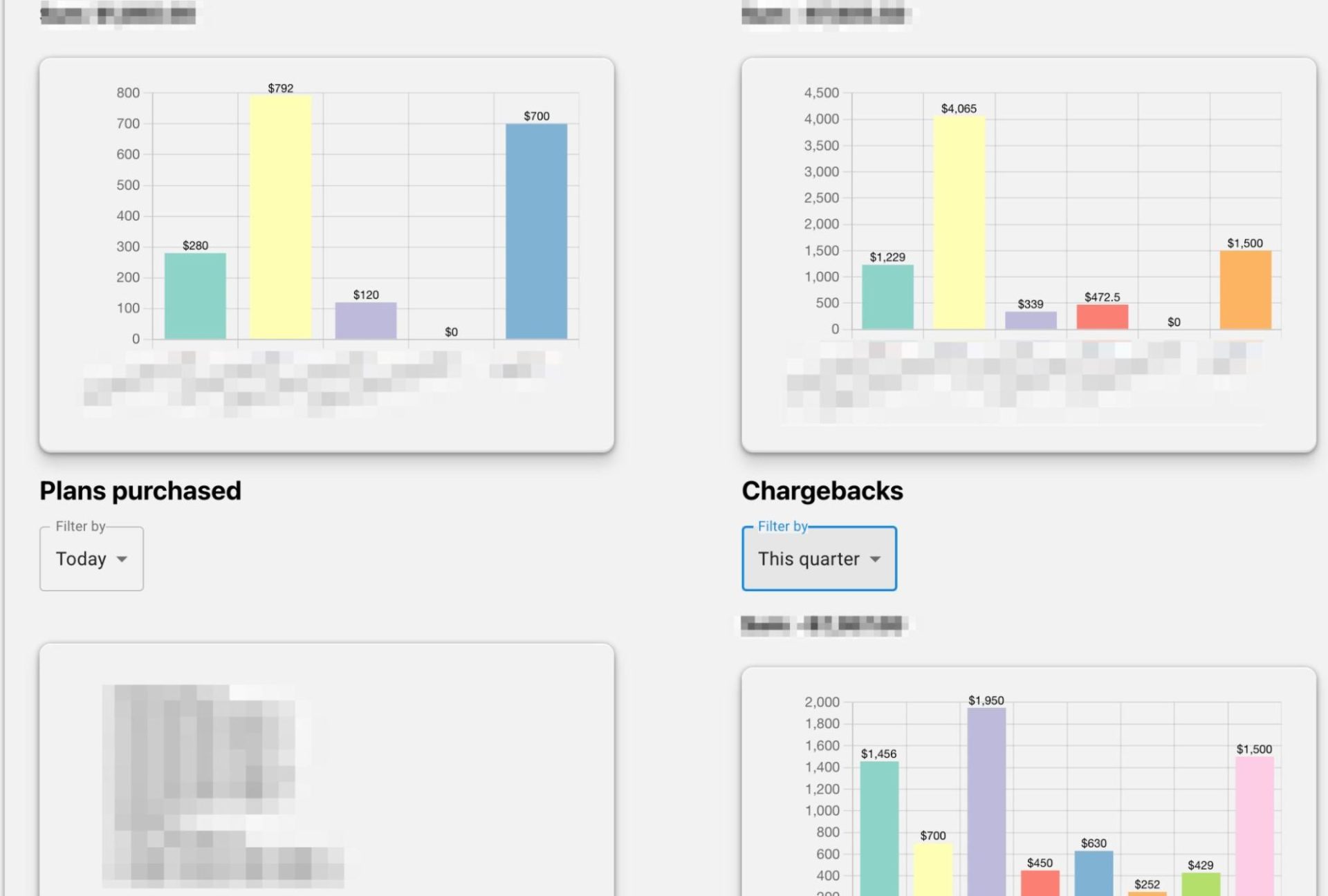
Built for the teams doing careful work at speed
Regulated fintechs, neobanks, brokerages, payment companies and lending platforms of roughly 10–150 people. A product in market, real customer money moving through it, a compliance obligation with a named owner — and not enough senior engineering capacity to do the careful work while also shipping the roadmap.
Tier-1 banks with an internal platform division and a procurement process measured in quarters. One exception, and it is on the record: Fluvius engineers embedded on-site inside a major UAE retail bank, on the bank’s repos and release path, on a defined build. If that is the shape you need, read the RAKBANK case below.
The people who own release cadence and compliance are in the same rooms we are. Both halves of a regulated build get argued about there before anyone writes a line of code.
Six situations we keep walking into
If one of these reads like someone told us about your team, that is the point. Three of them stay unresolved until further down the page — diagnosis before prescription.
The onboarding flow nobody is allowed to fix
Conversion dies somewhere between document capture and the screening result. Product wants to cut two steps; compliance says those two steps are the control. Nobody has instrumented the funnel finely enough to tell an abandonment from a rejection — or to see that a chunk of the drop-off is applicants parked in manual review by a false-positive name match.
The release cadence throttled by manual regression
Every deploy needs someone to click through account opening, a payment, a card action and a statement, because those journeys cannot be allowed to break. So releases slow to a fortnight, the batch grows, the risk per release rises — and the team ends up with the worst of both: slow and scary.
Reconciliation breaks found on Thursday for something that happened Monday
The provider file and the internal ledger disagree. Someone opens a spreadsheet. Three days of volume gets re-walked to find where the mismatch started, and the answer is usually a timing difference, a partial refund, or a fee booked to the wrong side.
A ledger that drifts because retries were not idempotent
A gateway timeout, a client retry, one movement written twice. It nets out to a few hundred a month — small enough to absorb, large enough to mean the invariant is not actually enforced. Once you cannot trust the ledger, you cannot trust any report built on it.
Regulatory reporting assembled by hand from three systems
The core, the processor’s exports, and a spreadsheet someone maintains. Four days of a senior person’s month, impossible to audit, and everyone knows exactly what happens the first time that person is on leave.
A real-time surface that degrades exactly when volume matters
Charts stall, the feed falls behind, order entry lags on the day the market moves. The failure is never in the quiet hours. It is the burst, the fan-out, and the reconnect that drops updates without telling the user it dropped them.
The hard part is not the form. It is a customer-facing journey whose every step is also a control, inside a bank’s own environment and release path.
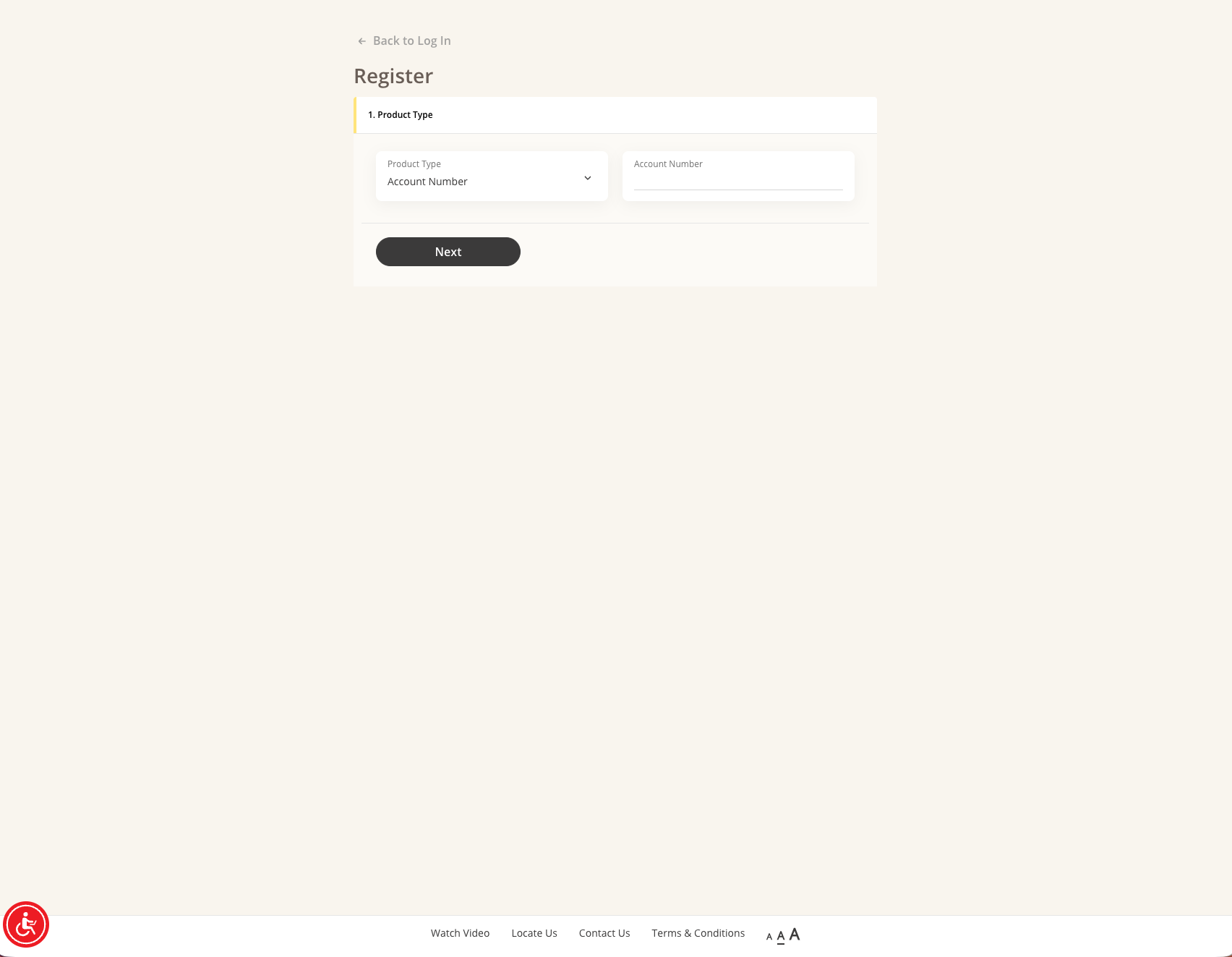
What has to be true at every step
A payment, as a state machine. Select a state to see the invariant that must hold for the transition to be safe, the control it satisfies, the audit record it writes — and what goes wrong when it is skipped. This is the whole argument of the page, rendered.
The two states drawn below the line are not failures of the diagram — they are the paths that must be designed, not discovered: a decline that is recorded as what it is, and a retry that carries the same idempotency key it was born with.

Correctness is a conversation before it is a codebase.
Proof, not claims
Every case below is real, and the record behind the numbers can be clicked and checked by someone who does not believe it.
Automated coverage of core banking journeys
Tests that touch money and identity need stable data, deterministic state and honest failure signals — a flaky suite guarding a payment journey is worse than none, because people learn to ignore it. What shipped: coverage that runs on every pipeline execution, not before every release.
A real-time web trading terminal
One-click order entry, custom charting, live feeds. The hard part is the browser under burst load — keeping charts, feeds and order entry responsive together, and making reconnect behaviour honest so a stale price is never presented as a live one.
The operational surface staff live in all day
Live market data, CRM, billing and analytics — four systems with four update rhythms behind one admin platform used all day by people who cannot wait on a slow screen. A client relationship still running, years on.
A blockchain governance system with real dispute resolution
Validators, staking, delegation and arbitration-based dispute resolution on a public ledger. The hard part is consensus-adjacent correctness — plus a dispute process that has to be legible to non-engineers.
While the RAKBANK fact is still on screen: the Critical Journey Audit maps your must-never-break journeys the same way we mapped theirs. An engineer runs it. You keep the diagram.
What we take ownership of
Timelines are indicative ranges and depend on scope — said once here, so every line below doesn’t have to hedge. First engagements are scoped to one journey or one subsystem, with a date.
Compliance-grade onboarding and KYC/KYB flows
Journeys where each step is also a control — sanctions and PEP screening, risk scoring, enhanced due diligence — instrumented finely enough to tell drop-off from rejection from manual-review queueing, so the false-positive rate stops silently setting your ops headcount.
You get: the flow, the event instrumentation behind it, and documentation mapping each screen to the control it satisfies. Services → · RAKBANK case →
Automated end-to-end coverage for core journeys
Start from the journeys that must never break; work outward. Wired into CI/CD so it runs on every pipeline execution — the single most trust-dependent piece of work a fintech outsources, and the one we were handed by a neobank.
You get: the suite, the test-data strategy, the pipeline integration, and a run report a non-engineer can read. QA & test automation → · Neobank QA case →
Real-time trading and market-data interfaces
Order entry, charting and live feeds that hold up under burst load — WebSocket fan-out, feed normalisation, and reconnect behaviour that never presents a stale price as a live one.
You get: the interface, the feed-handling layer, and a documented degradation spec. FinaMarkSys case →
Ledger, billing and reconciliation engineering
Double-entry invariants asserted in code and in tests, idempotent write paths, automated matching with an ageing view of unmatched items — so the Thursday spreadsheet stops existing.
You get: the engine, the invariant tests, and a break-investigation view your ops team can actually use. API & payment integrations →
Admin, back-office and CRM platforms
The internal surface your staff live in all day, built for speed of use rather than screenshot appeal — the Earn2Trade pattern.
You get: the platform, in production, documented. Earn2Trade case →
Embedded senior engineers alongside your team
Your process, your repo, your review path — the RAKBANK pattern. Engineers, not a managed layer between you and them.
You get: named senior engineers inside your workflow. Engineering team →
AI/LLM work on documents and operational data
Extraction and structuring of messy documents, natural-language query over operational data, anomaly detection on transaction and ops streams — where it is defensible.
You get: the pipeline, its evaluation set, and a written boundary of what the model may decide. AI integration →
A model does not make an approve/decline decision and does not make a compliance determination. It reduces the reading, surfaces the anomaly and drafts the summary; a human and a deterministic rule still decide. Saying where a model does not belong is, in this sector, the more useful capability claim.
Swift CBPR+ retires fully unstructured postal addresses — hybrid or structured only. Quietly a data-model problem, not a messaging problem: if your customer addresses live in free-text lines, the work is in your schema, not your gateway.
The UK, EU and Switzerland move to T+1 settlement on the same day — compressing every post-trade process that currently relies on having a spare day.
The PSD3/PSR package: final texts agreed in April 2026, formal adoption and publication expected in the second half of 2026, application following roughly 21 months later. Time enough to instrument properly; not time enough to start twice.
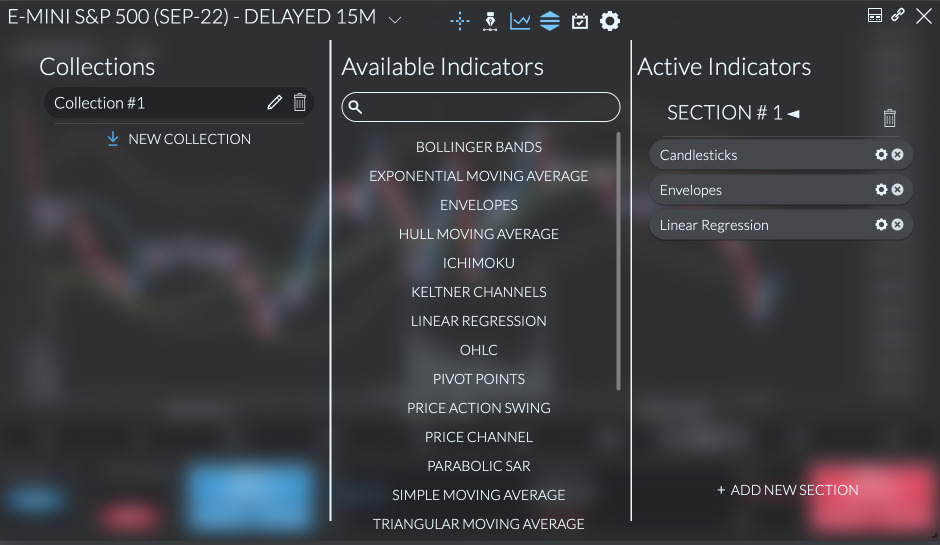
Charts, feeds and order entry staying responsive together under burst load — and reconnect behaviour honest enough that a stale price is never shown as a live one.
Say it the blunt way
Fluvius USA Inc contracts on US paper and works EU hours with a full US-morning overlap — so a written handoff is waiting at the start of your day.
Start with the self-check instead
Before your next audit: 18 questions about your codebase you should be able to answer in under a minute
Audit-trail immutability, idempotency on write paths, ledger invariant assertions, coverage of money-moving journeys, and where your reporting numbers actually come from. The rule inside: tick a box only if the answer is on hand in under a minute — “we could reconstruct it” is a no.
Map the journeys before the auditor asks for the map
The Critical Journey Audit is a working session with an engineer. We walk the journeys that must never break — onboarding, payment, statement, withdrawal — and mark what is covered, what is assumed, and what is uninstrumented. The one-page diagram is yours whether or not anything comes of it.
- 30 minutes, an engineer on the call
- You keep the marked-up journey diagram
- Nobody follows up more than once