

MCP Servers, Plugins & AI Skills
An MCP server lets ChatGPT, Claude and other AI agents operate your product directly — reading its data, taking real actions and answering customers with your product on screen. Fluvius designs and ships MCP servers, assistant plugins and AI skills, from a company that has served 200+ clients across ten years and works inside these agent tools every single day.
Every engagement starts with a free 30-minute session with an engineer: we map where your product should meet the agents your customers already use, and say honestly what is worth shipping first. You keep the notes either way.
The question has moved into the chat window
Buyers, users and partners now start inside an assistant. These are the four situations that bring companies to this page.
The board asks where the product shows up in AI assistants
Customers ask ChatGPT or Claude which tool to use, how to get something done, whether your product can do X — and the assistant answers from whatever it can actually reach. A product the agent can open, query and operate gets recommended with evidence; a product it cannot touch gets a paragraph of generic text. Distribution is quietly moving to a surface most companies have not built for yet.
Customers already paste your data into chat windows
Export, copy, paste, ask, paste back — your users have built the integration themselves, by hand, dozens of times a day. That workflow is real demand for an agent connection. An MCP server replaces the copy-paste loop with typed, permissioned tools: the assistant queries the product directly, and the answers carry live data instead of a stale export.
Each AI platform ships its own extension surface
Custom GPTs, Claude skills and connectors, agent stores, plugin registries — every vendor has one, each with its own format and review process. Chasing them one by one turns into a permanent roadmap tax. The industry answer is MCP: one open standard, stewarded under the Linux Foundation and adopted across OpenAI, Google and Microsoft, so one server covers the surfaces that matter.
Integration requests now arrive from agents, not people
Partners and enterprise buyers have started asking a new diligence question: “can our agent stack drive your product?” An API built for human developers rarely answers it — agents need described tools, scoped permissions and predictable errors. Companies that can say “yes, we speak MCP” are starting to win deals on that sentence.
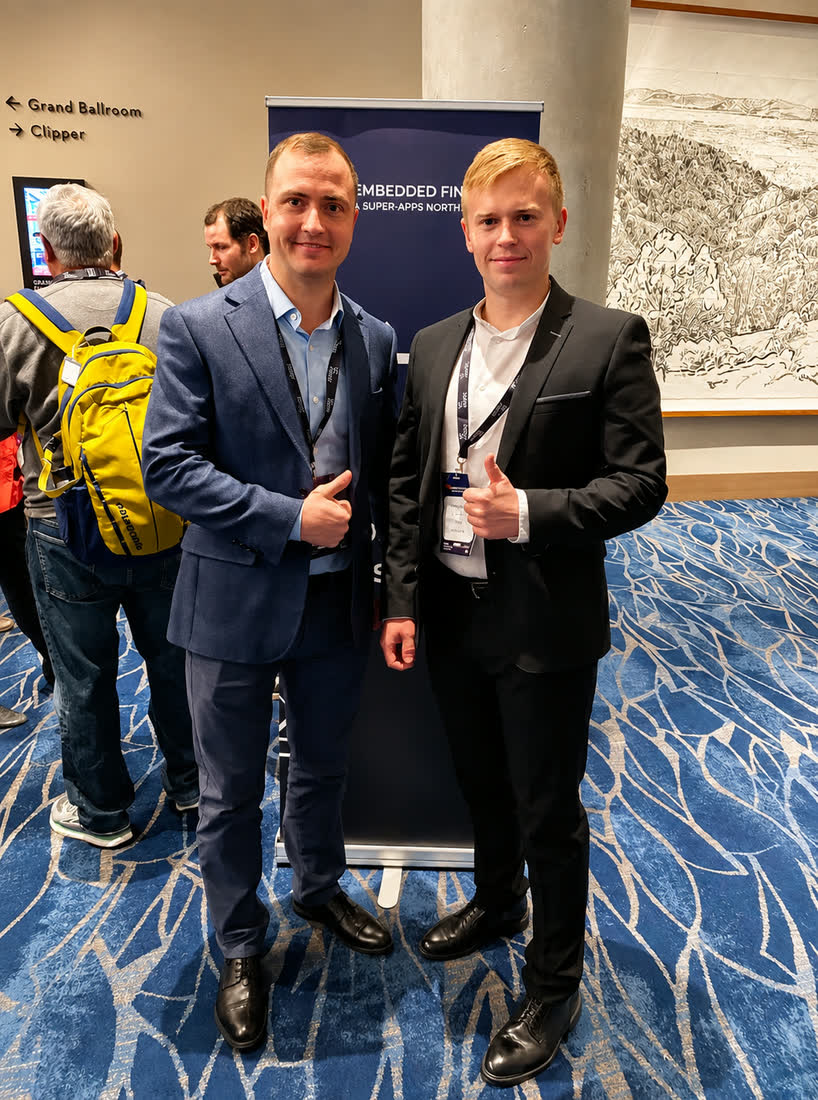
Our own company runs on agent tooling — research, operations, engineering. When we ship an MCP server for a client, we are shipping something we use ourselves every working day.
What we build
One core integration layer, packaged for every surface where your customers meet an AI. Each deliverable is production software with auth, permissions and logs — engineering, in the same discipline as the rest of our work.
An MCP server for your product
Your API, exposed to agents as typed, documented tools: what can be read, what can be done, what each tool costs to call. Built on the official SDKs, tested against the assistants your customers actually run, and versioned so the agent surface evolves with the product.
You get: a production MCP server your customers connect from any MCP-capable assistant.
Plugins and skills for the major assistants
The same core, packaged where packaging is still required: a ChatGPT app or custom GPT, Claude skills and connectors, and the store listings and review submissions each platform expects. One codebase underneath, so a change ships to every surface together.
You get: your product listed and working inside the assistants your buyers use daily.
Permissions, auth and boundaries
The part that decides whether security signs off: OAuth flows, scoped tokens, read/write separation, rate limits, audit logs, and an explicit written line between what an agent may do alone and what requires a human click. Designed first, because retrofitting it is the expensive path.
You get: a permission model your security owner can approve in writing.
Internal AI skills for your own team
The same discipline pointed inward: company workflows, documents and rules packaged as skills, so every employee’s assistant answers with your data, your tone and your policies. This is how we run Fluvius itself — our own operations run on the agent tooling we sell.
You get: a maintained internal skill set your whole team’s assistants share.
Distribution, docs and adoption
A server nobody connects to is shelfware. We ship the connect page, developer docs, worked examples and registry listings, and instrument usage so you can see which tools agents actually call — the number that guides version two.
You get: a connect page, documentation and usage telemetry from day one.
From API to agent surface
The path is short because the standard does the heavy lifting. Dates and price are scoped on the first call and confirmed in writing.
Capability map
A working session with an engineer: which reads and which actions agents should get first, which must stay human-only, and which assistant surfaces your buyers actually use. Ranked by revenue impact, in writing.
Design, in writing
The tool surface specified before code: names, schemas, auth flows, permission scopes, error behaviour and the boundary rules. Short enough to read, precise enough to build from — your team reviews it before anything ships.
Build and test against live agents
The server and packaging built on the official SDKs and exercised inside the real assistants — the same ones we work in daily — including the failure paths: bad auth, malformed calls, rate limits, an agent doing something creative.
Ship, list and iterate
Registry listings and store submissions, the public connect page, docs, and usage telemetry. Then a review a few weeks in: which tools agents call, what they stumble on, what version two should expose.
AI as an industrial-grade tool in experienced hands: we read and write the code ourselves, and the agent layer we ship for you gets the same architecture, testing and review as any production system we build.
Proof, not claims
We are practitioners on both sides of this standard: our own company runs on MCP-capable agent tooling every working day, we ship MCP servers inside client builds, and our first public open-source MCP server is planned. The cards below are the three shapes of work we deliver.
A product’s API, exposed to agents over MCP
Typed tools over an existing product API — search, read, create, update — with OAuth, scoped permissions and audit logs. Connected once, the product becomes operable from any MCP-capable assistant, and every answer it gives carries live product data.
One core, packaged for each assistant
A ChatGPT app and Claude skills built over the same integration core, taken through each platform’s review process to a public listing. One codebase, one permission model, every major assistant surface — that is the economics MCP was designed for.
Company workflows packaged as internal skills
Policies, playbooks and data access packaged as skills for a team’s own assistants, so a new hire’s AI answers like a ten-year veteran. We run Fluvius this way ourselves — the deployment experience in this service is first-hand.
MCP is stewarded under the Linux Foundation and adopted across OpenAI, Google and Microsoft — one MCP server makes a product operable from every major AI assistant at once.
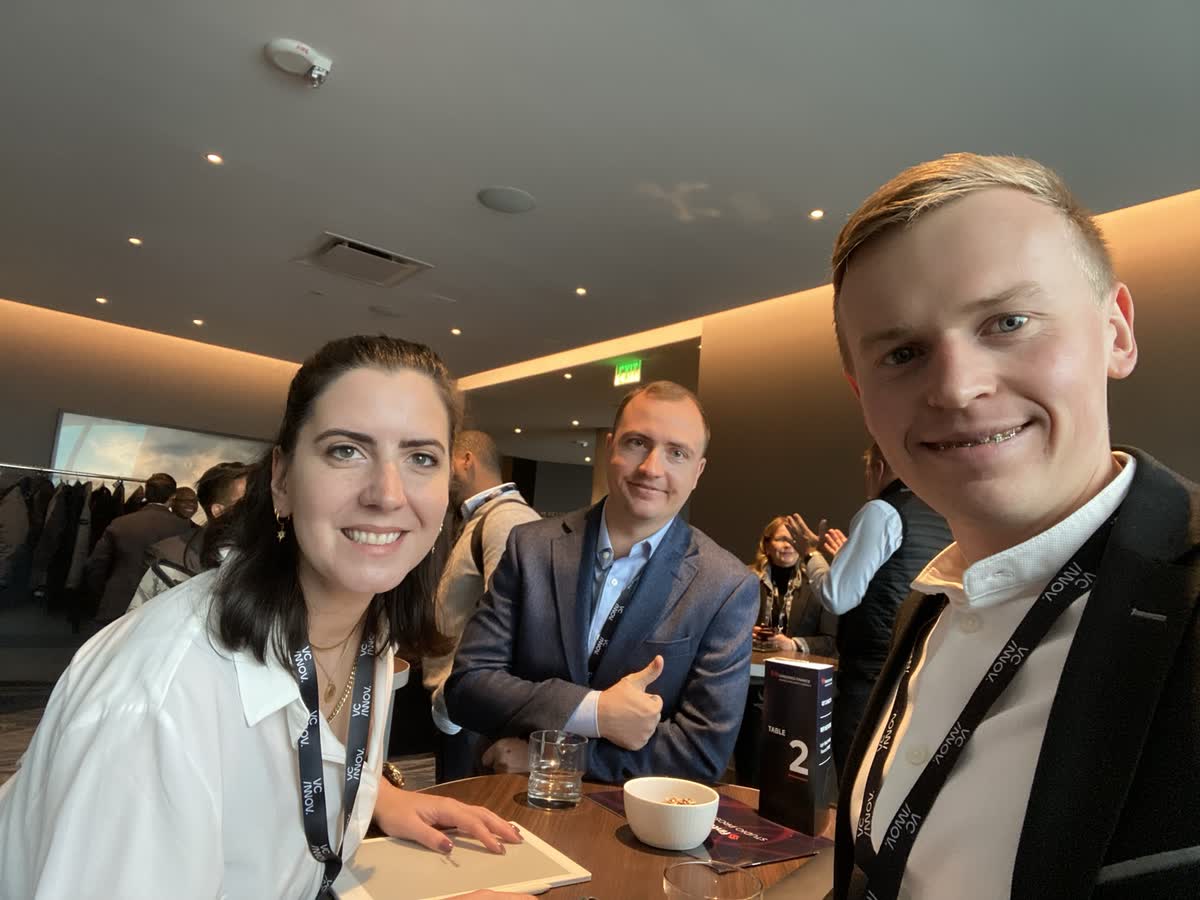
One standard, every assistant your buyers use.
Scope the agent surface on a 30-minute call
Every product exposes a different set of safe, valuable actions, so this service is scoped per product and priced in writing after one working call. You bring the product; an engineer brings the capability questions — what agents should read, what they may do, and what ships first.
A 30-minute working session with an engineer who builds these integrations, and a written summary of what an MCP surface for your product would contain. You keep the notes whether or not we build it.
Clients also buy
AI Agent Development
Production agents with defined boundaries and measurable ROI — not demos. An Agent Pilot in 30 days.
AI Integration
AI into your existing product and workflows this quarter — scoped as product features with usage metrics attached.
Generative AI Apps Development
Applications assembled by LLMs at runtime — the screen and the workflow built on demand, the next product category.
The questions buyers actually ask
What exactly is an MCP server?
MCP — the Model Context Protocol — is the open standard that lets AI assistants and agents use external software as tools. An MCP server is the piece you host: it describes what your product can do in a form agents understand, enforces permissions, and executes the calls. Connect it once and any MCP-capable assistant — ChatGPT, Claude and others — can operate your product on a user’s behalf.
Why build on MCP instead of one integration per platform?
Because the industry has already converged. MCP is stewarded under the Linux Foundation and adopted across OpenAI, Google and Microsoft, so one server covers the major assistants, and per-platform packaging becomes a thin layer over a shared core. The alternative — a separate integration per vendor, each with its own format — is a permanent maintenance tax on your roadmap.
What stops an agent from doing something destructive in our product?
The permission model, which we design before writing any tools. Every tool is explicitly scoped: reads are separated from writes, destructive operations are either excluded or gated behind a human confirmation, tokens carry least-privilege scopes, and every call is logged. An agent can only ever do what the server describes — and the server describes exactly what your security owner approved in writing.
Do we need to rebuild our API first?
Usually not. An MCP server sits in front of the API you already have and translates it into agent-shaped tools — good names, clear schemas, predictable errors. Where the existing API has gaps, we cover them in the server layer rather than asking you to re-architect. A short review of your API is part of the first call.
How long does it take, and what does it cost?
A first production release is typically a matter of weeks, and the price depends on how many tools, surfaces and auth flows your product needs — so both are scoped on the 30-minute call and confirmed in writing before anything starts. The written scope is yours to keep either way.
Who maintains it as the standard and the platforms evolve?
We do, if you want — the same team that built it. MCP is a living standard and the assistant platforms ship changes continuously, so we offer ongoing maintenance that keeps your server, listings and skills current. We track these changes for our own daily tooling anyway; client servers ride the same wave.
What AI can actually carry in your business — the one-page version
The nine AI & Agents services on one printable page: what each one is, the situation it answers, and the first engagement that proves it. Built to be forwarded to whoever holds the budget.
Your product, reachable from every assistant
Book the free 30-minute session and an engineer will map your product’s first agent surface with you — what agents should read, what they may do, what ships first. Or write two sentences about your product below and get a reply in one business day.
- 30 minutes, an engineer on the call
- You keep the written notes either way
- Nobody follows up more than once