

Your platforms all work. The revenue leaks at the seams between them.
For commerce operators, the seam runs between cart, checkout, billing, catalogue, inventory and fulfilment. For publishers and AdTech teams, between impression, consent, auction, attribution and payout. Nobody sells you a product that owns a seam — so we build and repair the connective tissue between the platforms you already pay for, and instrument it so you see a leak before finance does.
The audit is a revenue-leak map: we trace how one order and one impression travel your stack — every system, every hand-off, every point where a human intervenes — and you keep the one-page diagram whether or not we ever work together. 30 minutes, no deck, an engineer on the call.
A captive-portal audience inside a shopping centre: unpredictable devices, hostile network conditions, and a footfall spike that arrives whether or not you are ready.
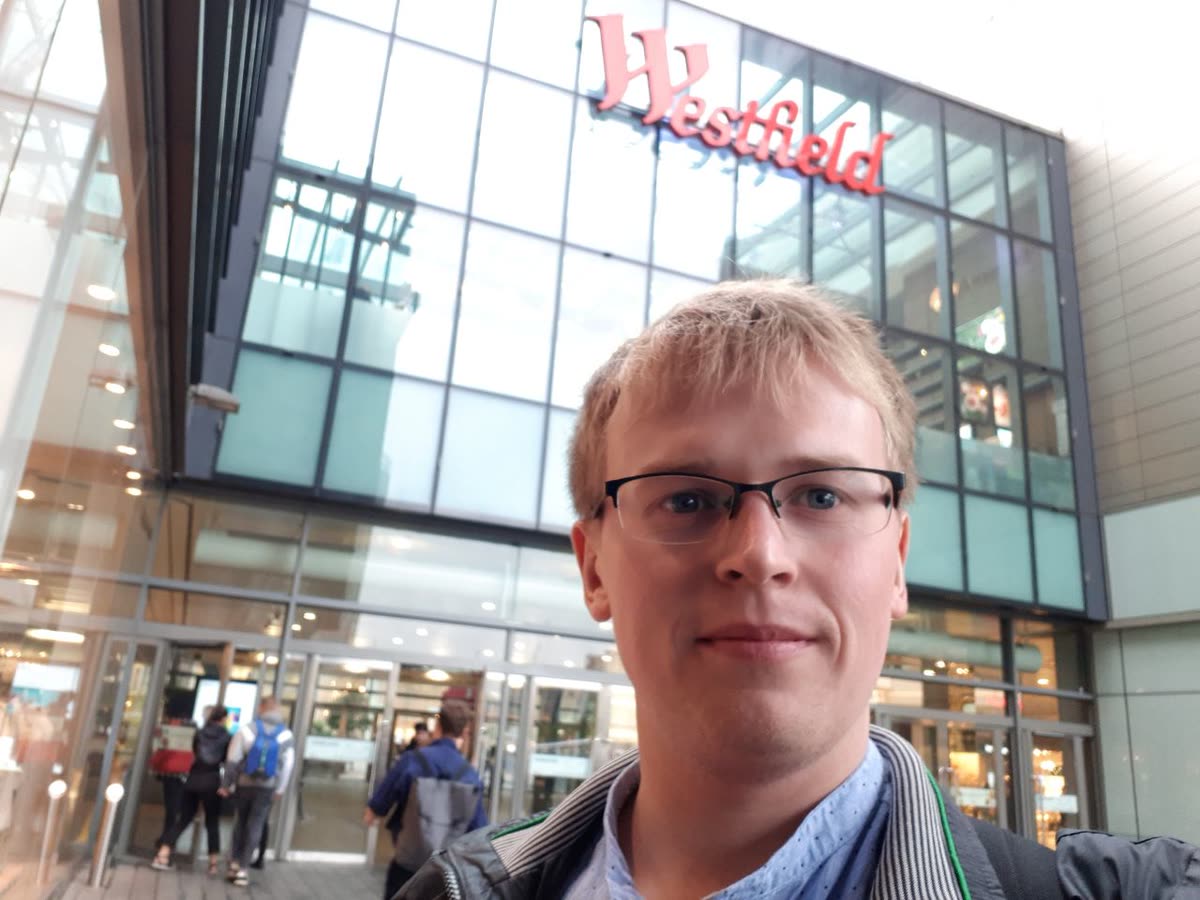
One order. One impression. The same anatomy of a leak.
FOLLOW THE VALUE ↓The toggle is the point: both journeys have the same shape. A hand-off, a timeout budget, a signal that must survive the crossing, and a ledger at the end that either reconciles or quietly disagrees. Teams staff the boxes; the leaks live on the arrows.
Where the money leaks
11 LINE ITEMS · COMMERCE FIRSTOrders that stall between systems
The payment succeeded, the order exists, and nothing shipped — the webhook that hands it to the WMS timed out and nothing retried. Support finds it four days later, from the customer, because there is no reconciliation between “charged” and “fulfilled”.
Revenue leaving quietly through failed payments
A meaningful share of subscription churn is not a decision — it is a declined card, a dunning ladder that gives up too early, and expiry failures a card account updater would have caught. The churn dashboard never shows it as what it is.
Inventory truth that depends on the clock
One channel updates hourly, the 3PL feed lands once a day, SKUs are formatted three different ways — and the result is oversells, cancellations, and a returns rate finance blames on marketing.
Peak season as an annual act of faith
The stack has never been load-tested against the traffic it will actually see. Nobody knows which queue is the bottleneck. The plan is “watch it closely”.
Reporting nobody trusts
The storefront, the payment processor, the ad platforms and the accounting system produce four different revenue numbers — and the weekly meeting is spent arguing about which is right instead of what to do.
Yield decisions made blind
Floors and bidder counts are tuned by feel, because there is no clean, queryable log of bid requests, responses, timeouts and wins — so nobody can tell whether partner thirteen adds demand or just adds latency.
Consent that costs money
A CMP misconfiguration, a missing TCF string or a broken GPP signal drops bid rates on a whole geography — and the first symptom is a revenue dip on a Monday with no obvious cause.
Identity after the cookie
First-party data lives in four places, match rates are guessed at, and “build our own audience graph” has sat on the roadmap for a year because nobody has the engineering capacity to start it.
Attribution changes that terrify everyone
Moving to server-side tagging or a Conversions API feed means touching the numbers the whole company is compensated on. So it does not happen — and measurement gets worse every quarter.
Payouts and commissions reconciled by hand
Postbacks fire twice or not at all, click IDs get lost on a redirect, and someone spends the last three days of each month in a spreadsheet deciding what a partner is owed.
List health that erodes silently
Growth counts signups; deliverability counts complaints. When the two definitions diverge, sender reputation moves before the dashboard does — and Gmail’s 0.3% complaint ceiling does not negotiate.
A booking has to mean the same thing to a card-present terminal on the counter and a subscription ledger in the cloud — through every reschedule, refund and failed renewal.

The receipts
REAL PROJECTS · COMMERCE FIRST, THEN ADTECH & AUDIENCEPayments and booking for local businesses
One booking has to mean the same thing to a card-present terminal on the counter and a subscription ledger in the cloud — through every reschedule, refund and failed renewal.
Micro-donations that fund newsrooms
Small, frequent, multi-processor payments where fees, retries and payout timing decide the whole model. The engineering problem is reconciliation, not the checkout button.
The WiFi web experience inside a shopping centre
Unpredictable devices, hostile network conditions, one shot at the first three seconds — and a footfall spike that arrives whether or not you are ready.
Publisher monetisation and audience intelligence
AI-powered yield optimisation across 20+ markets — decisions landing inside an auction’s timeout budget, under consent regimes that differ by country.
The platform behind engaged-subscriber growth
The largest driver of engaged subscribers to top US newsletters — a system that defends a definition of subscriber quality advertisers and deliverability both accept.
A social-media marketing SaaS, led from zero
Architected and led from an empty repository to mass adoption across web, mobile, AR and smart devices — the audience-side platform work this page keeps referring to.
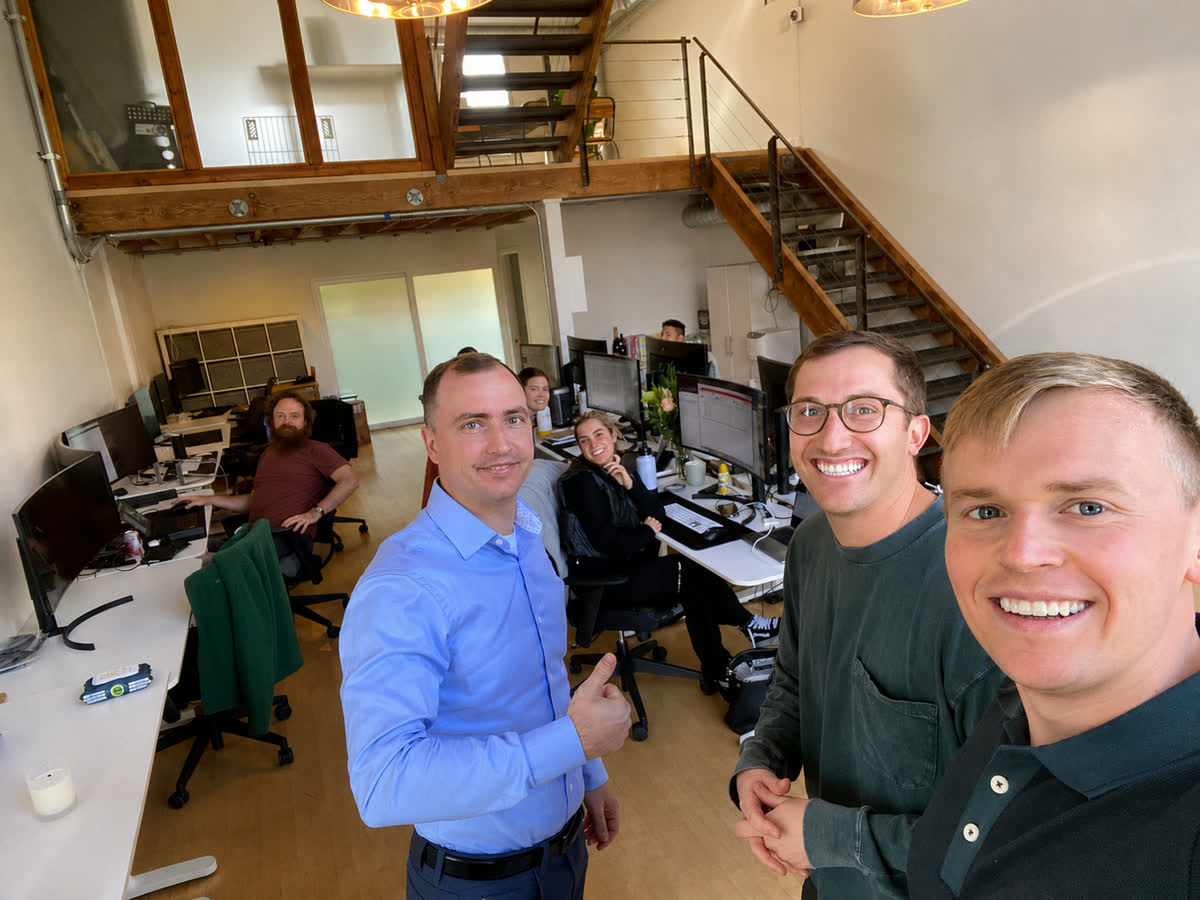
We work where the seams are — in your systems, with your team.
Want this level of specificity about your own stack?
That is literally what the audit produces: a one-page diagram of how one order and one impression travel your systems today, with the leak points marked. Yours to keep.
What we build and repair at the seams
6 ENGAGEMENTS · EACH WITH ITS TRIGGERCheckout, billing and payment recovery engineering
Subscription lifecycle on Stripe Billing or ChargeBee, dunning and retry strategy, SCA and 3-D Secure handling, card-present and card-not-present flows on Clover — and keeping payment-page scope small enough that PCI DSS questions stay boring.
Order, inventory and fulfilment integration
OMS, WMS and 3PL wiring, SKU and catalogue mapping across channels, idempotent webhook handling with replay, and reconciliation jobs that prove “charged” and “shipped” agree — with alerting on the orders that fall between.
Peak-season reliability work
Load-testing the real path an order takes, finding the queue that gives out first, adding back-pressure and graceful degradation — done in a low season, so nobody has to be brave in November.
AdTech and yield engineering
Prebid wrapper and timeout tuning backed by an actual event log, ad-server integration, consent plumbing for TCF and GPP, and first-party data and identity work that survives the cookie.
Measurement, attribution and payout systems
Server-side tagging and Conversions API pipelines, S2S postback and click-ID integrity, commission and affiliate reconciliation — and revenue reporting one number can be defended from.
LLM work on messy operational data
Our genuine edge: extracting structure from supplier files, partner reports and support threads; anomaly detection on order, bid and payout streams; natural-language query over operational data, so an ops lead can ask a question without opening a ticket.
“Engaged” is the whole product: the system has to defend a definition of subscriber quality that advertisers and deliverability both accept.
The objections, answered in the open
WHAT YOU’RE ACTUALLY THINKINGWe meet the people who run commerce and audience businesses where they gather — and most of this page came out of those conversations.
In clients’ own words
VERIFY ON UPWORK →“They understood a difficult brief and delivered everything professionally, on time and on budget. I hope we have the opportunity to work together again soon.”
Verified Upwork review
“Very professional and excellent service!”
Verified Upwork review
The 19 places order and impression revenue leaks
A pre-peak-season checklist, five pages, printable. Ten leaks on the order path, nine on the impression path — each with one concrete way to prove it is not happening to you. The rule inside: tick a box only when you can prove the answer with a query, a log or a reconciliation.
Map your leaks before peak season does
30 MINUTES · NO DECK · YOU KEEP THE DIAGRAMThe Data Flow Audit is 30 minutes with an engineer — not a salesperson. We map how a single order and a single impression travel through your stack today: every system they touch, every hand-off, every place a human has to intervene, and every point where the two halves of your reporting stop agreeing.
- You keep the one-page diagram, whatever happens next
- Bring read-only sight of your stack — or just a whiteboard
- An engineer on the call, not a salesperson