

Custom ERP, CRM & Operations
We build, run and continuously develop the systems your company operates on — ERP, CRM and the workflows between them — shaped around how you actually work, for a monthly fee. We practise what we sell: Fluvius runs on an ERP we built for ourselves, and our client systems include a finance operation whose staff was cut 4× by automation. We don’t resell SAP or Salesforce.
The free 30-minute session maps your operational systems — the real ones, spreadsheets included — and gives an honest build-vs-buy read. You keep the map either way.
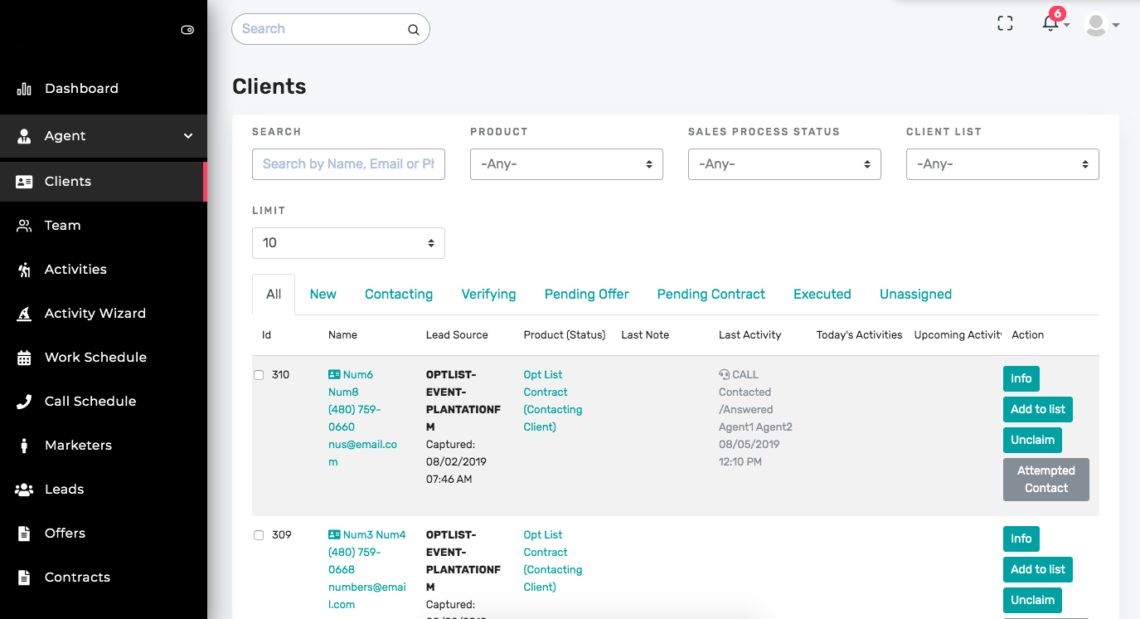
The operations conversations behind this page
The company runs on seventeen spreadsheets
Orders in one, stock in another, the price list only Maria has open. Every handoff is a copy-paste and every month-end a reconciliation hunt. This is the classic pre-ERP state — and the right custom system replaces the spreadsheets without forcing the company into someone else’s process.
The off-the-shelf suite fits like a rented suit
The big platforms are built for a generalised company that is not yours. You pay per seat for modules nobody opens, and your actual differentiating process lives in workarounds. Custom means the system encodes how you win, not how the vendor generalises.
Licence-per-seat maths stopped making sense
Growing headcount turned the per-seat licence into one of the larger line items — for software that still needs consultants to change. A system you own, developed for a predictable monthly fee, inverts that curve.
The last custom system died of no maintenance
Someone built an internal tool years ago; its author left and it froze. That is not an argument against custom — it is the argument for the run-and-develop half of this service: systems live when someone accountable operates them.
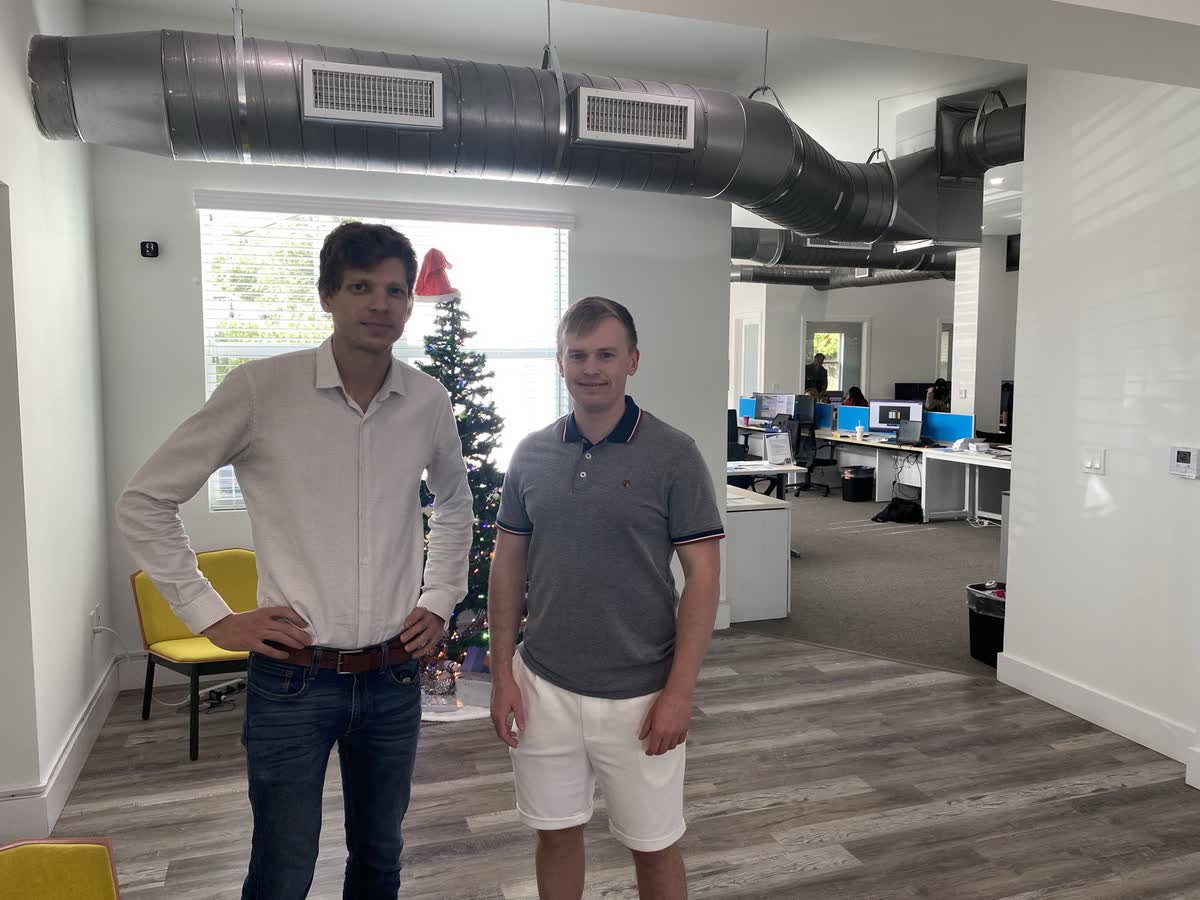
An operations system is designed in the rooms where the operation happens. The MadValorem ERP was shaped with the brokers who run on it.
Build, run, develop — the three halves
Built around your actual operation
Workflows, roles, approvals and reports designed from how your company really runs — including the exceptions. Data models built to hold for a decade; permissions built to survive an audit.
You get: a system that encodes your process, documented, in your name.
Operated for you
Hosting, backups, monitoring, upgrades, user support — the operational layer that keeps internal systems alive after the launch excitement fades.
You get: a system that is someone’s job — ours — every day.
Continuously developed
A monthly stream of improvements: new modules, new automations, new integrations as the business changes. The system evolves with the company instead of freezing at version one.
You get: a roadmap reviewed with you monthly, shipped in increments.
Automation and AI where they pay
Approvals routed, documents extracted, reports generated — the finance case that cut staff 4× is what this looks like matured. LLM steps arrive with review queues and written boundaries.
You get: operational automation with an audit trail a controller can read.
How it works
Map the operation
Your processes as they actually run — from the people who run them, spreadsheets and workarounds included.
First module live
The highest-pain workflow ships first, with data migrated and the old spreadsheet retired — proof before breadth.
Module by module
Each area lands the same way: designed with its users, shipped, adopted, then the next. Adoption beats big-bang rollouts.
Run and evolve
Operations, support and a monthly development stream under one fee — reviewed with you every month.

Systems live when someone accountable runs them.
Proof, not claims
We are our own reference customer, and the client systems below run daily.
Fluvius runs on an ERP we built
Finance, projects, hours and reporting — our own company operates on a system we built and continuously develop for ourselves. We sell what we use.
Financial staff cut 4×, payroll errors eliminated
Automation across payroll, approvals and reporting shrank a client’s finance team four-fold while removing the errors that used to cost real money.
A brokerage ERP in production
Clients, workflows, role-based access and third-party integrations in one system for a real-estate brokerage — the case page shows the screens.
A CRM extended by an AI agent
Our LinkedIn Lead Builder wires an AI agent into CRM workflows — where custom operations systems are heading, shipped internally first.
One custom finance system eliminated payroll errors and cut the client’s financial staff four-fold — and it is still the system they run on.
Fluvius runs on an ERP we built for ourselves. Every recommendation on this page has been tested on our own operation first.
One monthly fee, three responsibilities
Build
Your operation mapped, the first module designed, migrated and adopted — then the next. Fixed-scope stages, each priced and dated in writing before it starts.
Run
Hosting, backups, monitoring, upgrades and user support. The system stays fast, safe and current — someone accountable operates it every day.
Develop
A continuous stream of modules, automations and integrations as your business changes, reviewed with you monthly. The system evolves instead of freezing.
The monthly number depends on the system’s size and the pace of development you want — it is stated in writing after the mapping session, and revisited openly every quarter. Everything we build is yours: code, data, infrastructure, documentation.
Clients also buy
AI Business Process Automation
From Zapier/Make/n8n hacks to production automation — pipelines that survive volume, audits and staff turnover.
API Integrations
Payments, CRM, fulfilment — anything with an API, wired in so it stays wired in. Stripe, PayPal, ChargeBee, Clover.
Data Engineering & AI Data Readiness
Most AI pilots die on bad data. Pipelines, models and an AI Data Readiness Audit that make yours survive.
Building the system is half the service. Running it — backups, upgrades, support, evolution — is the half that keeps it alive.
The questions buyers actually ask
Why custom instead of SAP, Salesforce or Odoo?
We don’t resell SAP or Salesforce — and for many companies those platforms are the right call, which we say when it is true. Custom wins when your differentiating process does not fit the generalised mould, when per-seat licensing outgrows a build, or when the workaround layer around the suite has become the real system.
Who owns the system?
You do — code, data, infrastructure and documentation, in your accounts and your name from day one. The monthly model is a service relationship, never a hostage arrangement; leaving with a documented handover is always on the table.
What does "you run it" actually include?
Hosting, backups, monitoring, security updates, framework upgrades and user support — the unglamorous layer that determines whether an internal system is alive in year three. It is the half most custom builds never get, and the reason ours last.
How do you handle migration from our current tools?
Module by module, with the data migrated and verified per stage and the old tool retired only when its replacement has carried real load. Big-bang cutovers are how ERP horror stories start; we do not do them.
Can AI features live inside the system?
Yes, where they pay: document extraction, approval routing, report drafting — always with confidence thresholds, human review queues and an audit trail. The finance system that cut staff 4× is automation of exactly this kind.
What does it cost?
Build stages are fixed-price, each quoted before it starts; run-and-develop is one monthly number sized to the system and the development pace you choose. Both are in writing, and the quarterly review keeps them honest.
Team, scale and run — the one-page version
The seven Teams & Scale services on one printable page: what each covers, when it is the right door, and how the first month works. Built to be forwarded to whoever holds the budget.
A system shaped like your company
Book the free 30-minute session and we map your operational systems with an honest build-vs-buy read — or describe the spreadsheet chaos in two sentences and an engineer replies in one business day.
- 30 minutes, an engineer on the call
- You keep the written notes either way
- Nobody follows up more than once