Industries / Energy, Oil & Gas · Distributed energy · Upstream & oilfield services

Your device, your field and your back office keep separate books.

Two halves of one problem. In energy, the device knows its own state, the telemetry lands somewhere else, and the customer report is assembled by hand from a weekly CSV. In oil & gas, production lives in a historian, costs live in WolfePak, Quorum or P2, and lease terms are locked inside scanned PDFs. Either way the translation between systems is a person with a spreadsheet. We build the layer that removes that step — and the AI layer that reads the documents nobody has time to read.

You keep the one-page data flow diagram either way. No obligation attached to it.

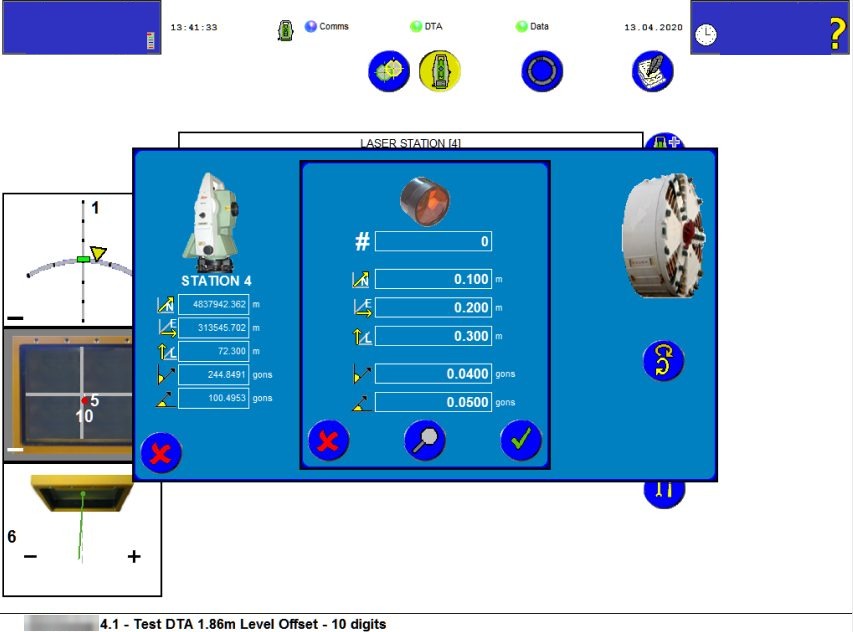
Operator control screen for heavy industrial machinery, rebuilt by Fluvius alongside the machine's C++ control software
Industrial control · software next to the hardware

Both halves, one problem shape

The systems we expect to find when we arrive.

Nothing here is exotic. Each of these was bought for a good reason, by someone who was right at the time — and none of them was bought to talk to the others.

Energy · device to customer report
Device & firmware
Zephyr · FreeRTOS · ESP-IDF · STM32-class · OTA with A/B rollback
Energy telemetry
Modbus RTU/TCP · CAN · MQTT with Sparkplug B · edge store-and-forward
Grid & market
IEC 61850 · DNP3 · IEEE 2030.5 · OpenADR · CAISO / ERCOT telemetry
EV charging
OCPP 1.6J / 2.0.1 · CSMS · OCPI roaming · session and CDR reconciliation
SCADA / Historian
Ignition · Cygnet · Wonderware · AVEVA (OSIsoft) PI
Accounting / ERP
Quorum · P2 Energy Solutions · WolfePak
Engineering
Aries · PHDWin · ComboCurve · Petrel · Kingdom
Data & market
Enverus · WITSML · PRODML · LAS logs · PPDM
Land & title
Leases, JOAs, division orders — scanned PDF and TIFF
Regulatory
Texas RRC Form PR / W-10 / G-1 · FracFocus · GHGRP Subpart W

The gap, measured

One rod pump fails. Four systems find out at four different times.

Scrub through a month and watch a single artificial lift failure travel between your systems. Then switch the panel to a connected state and run the same month again.

Well14-3H
Awareness lag
Deferred to awareness0 bbl
Cost visible on

Illustrative model — a single artificial lift failure on one 42 BOPD well, no other intervention. Deferred volume is counted to the moment somebody knows, not to repair. Your own tags, routes and close calendar replace these numbers during the audit. Reduced-motion is on, so the month does not auto-run — drag the day slider to step through it.

Where the data actually starts

Every one of these builds begins at the edge — a device, a sensor, a controller — and the interesting engineering is what happens between there and the report someone reads on Monday.

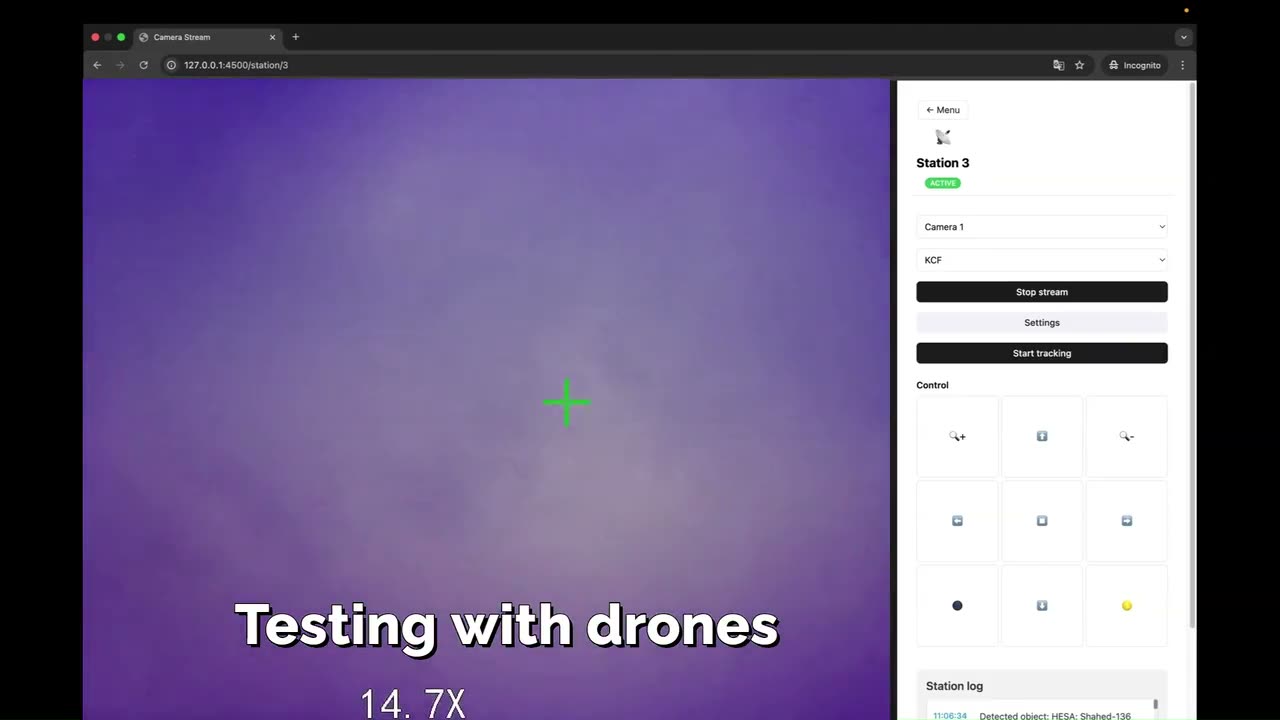
Fluvius multi-sensor inspection system under field test in the open air
Field test · multi-sensor inspection

Where the day goes

Six frictions we hear in the first thirty minutes.

Field data capture

The two-day lag between the well and the number

A pumper finishes a route at 14:30 and leaves eight paper tickets on a desk, or texts photographs of them. Someone keys the gauge readings and run tickets into Excel the following morning. By the time a number reaches anyone able to act on it, the well has been doing whatever it has been doing for two days.

Downtime attribution

SCADA knew at 04:12. Accounting learned at close.

The historian recorded the artificial lift failure the moment the pump card went flat. The LOE line that reflects it appears at month-end close, three weeks later. By then downtime attribution is a conversation between two people with two different spreadsheets, and the data cannot settle it.

Document intelligence

“Which leases expire in Q3?” takes a week

There is an answer. It is inside several thousand scanned PDFs and TIFFs of leases, JOAs and division orders, and reaching it means a landman with a highlighter working most of a week. The same question next quarter costs the same week again.

Regulatory

Every filing is a re-assembly job

Form PR, W-10 and G-1 for the Texas RRC, state-by-state production reporting, FracFocus disclosures, and Subpart W volumes for the EPA GHGRP — all assembled by hand from three systems every month, then checked twice because last quarter a decimal moved one place.

JIB & division orders

The partner finds the error before you do

A JIB reconciliation dispute, or a decimal interest on a division order that no longer matches the recorded assignment. The discrepancy sat in the data for months. Nothing was watching for it, because watching for it means holding land records and accounting in the same place.

Analytics

Every crossover question starts with a blank sheet

Cost per BOE by lease. Decline curve analysis against actuals, with LOE alongside. Any question that touches production data and financial data at once begins with exporting two files and rebuilding the same spreadsheet somebody already built last quarter.

Software close to hardware

We rebuilt the C++ control software and operator interface for machines that bore through rock. Software that sits this close to expensive equipment is the same category of work as a microgrid controller or a plunger-lift controller.

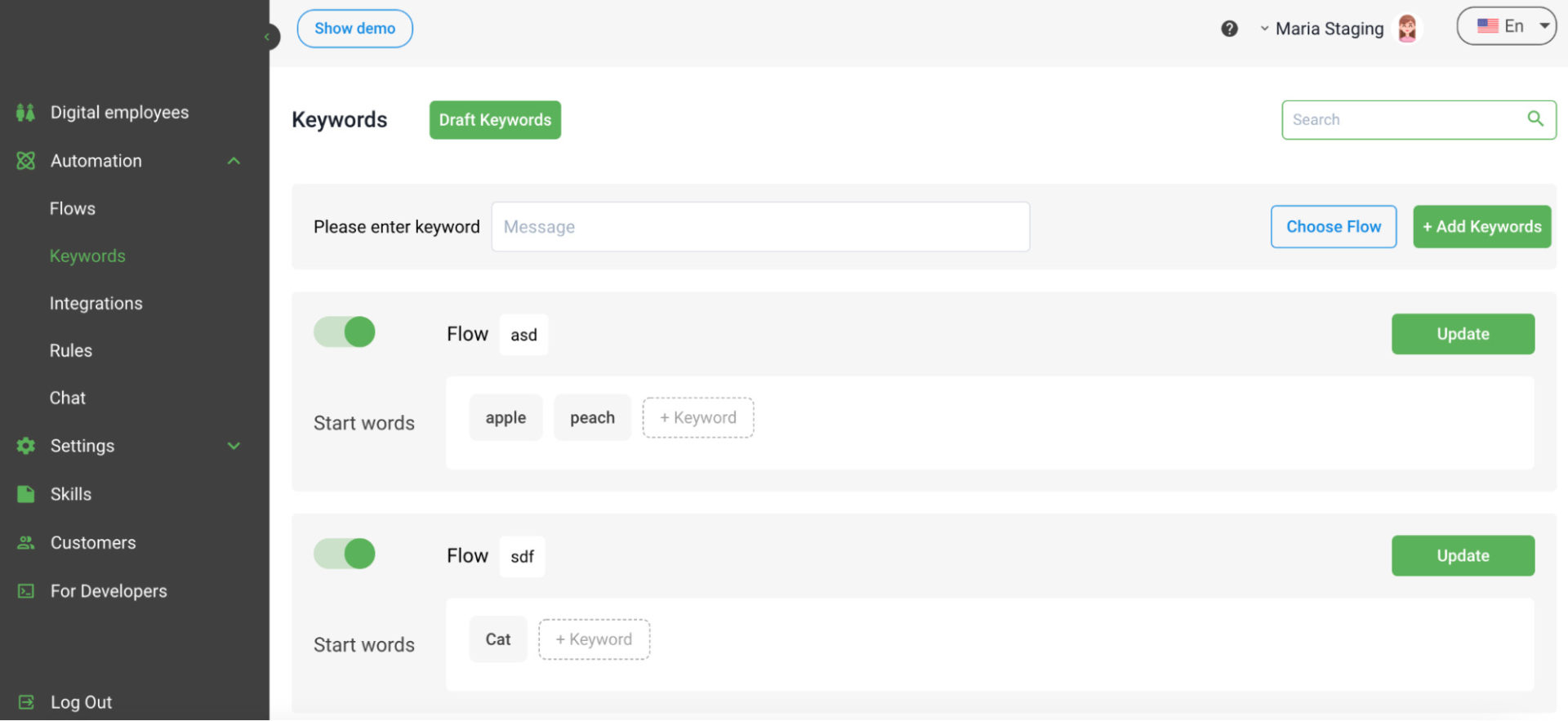
Operations pipeline built by Fluvius moving records between CRM, email, project management and reporting with LLM classification
Operations pipeline · 80% less manual entry

The energy half

Your product is physical. The pressure on it is now software.

Solar and storage hardware makers, C&I owner-operators, microgrid and EV-charging operators, utility innovation groups, and energy-hardware companies with a working device and no software team. The engineering org is weighted toward hardware, and the roadmap keeps arriving as firmware, cloud and an app at the same time.

Device

Firmware that can be updated in the field

Zephyr, FreeRTOS, ESP-IDF or bare metal on STM32-class parts, with secure boot, signed images, A/B partitions and a rollback that works when an OTA campaign meets a bad connection. Battery management, state of charge and health, cell balancing, thermal derating and MPPT charge control where the device does its own thinking.

Telemetry

A fleet you can actually see

Modbus RTU/TCP and CAN at the device, MQTT with Sparkplug B on the way up, an edge gateway that buffers and forwards when the link returns. Then the part everyone underestimates: time-series storage with downsampling, gap-filling, late-arriving data, and unit and timezone normalisation that survives a fleet in three countries.

Grid

Talking to the market without a translator

IEC 61850, DNP3, IEEE 2030.5 and OpenADR for demand response and smart-inverter control; DER aggregation and virtual-power-plant dispatch with the telemetry a CAISO or ERCOT programme expects. Interconnection behaviour under rules like California Rule 21 and UL 1741 SB / IEEE 1547-2018 is a design constraint we work to, not a certification we hold.

Charging

Sessions that reconcile

OCPP 1.6J and 2.0.1 against a CSMS, OCPI for roaming, and session-to-CDR reconciliation — because the argument is never about the kilowatt-hours, it is about which record the money follows.

Reporting

Numbers a customer will accept

Energy performance reporting, ISO 50001-style measurement and verification, emissions accounting, and the Scope 2 distinction between market-based and location-based that decides whether your report is comparable to anyone else's. RECs and hourly matching where the customer has committed to it.

The manual step

The weekly CSV that runs the company

Somebody exports the fleet, opens a spreadsheet, and rebuilds the customer report. It is the same person, the same afternoon, every week — and it is the step we remove first, because it is the one that stops being possible the moment the fleet doubles.

What we build

Six things, each with a date attached.

Timelines below are what we would commit to for a first phase after discovery, on a typical single-operator environment. They get firmer, not vaguer, once we have seen your systems.

01

Data integration layer

One queryable source of truth across historian, accounting and land, so a question crosses systems without a person in the middle.

First deliverable
Two systems connected in 4–6 weeks
What you get
A documented schema, scheduled syncs with reconciliation reports, and read access for whatever BI tool you already use. We read the Energistics standards — WITSML and PRODML — where your vendors emit them, and go at historian tags directly where they do not.

02

Document intelligence

Lease terms, royalty and working-interest decimals, Pugh clauses, continuous-operations provisions and expiry dates, pulled out of scanned documents into a database you can query.

First deliverable
Pilot on 200–500 documents in 3–4 weeks
What you get
A structured table with a confidence score and a link to the exact source page for every extracted field, so your landman verifies instead of re-reading.

03

Field data capture

Pumper tickets captured on a phone at the lease, in a section with no signal, and reconciled the moment the truck reaches coverage.

First deliverable
Field-ready app in 6–8 weeks
What you get
Offline-first iOS and Android app for run tickets and gauge readings, photo attachments, route assignment, and validation at entry so an implausible number is caught in the field rather than at close.

04

Natural-language analytics

Ask production and financial data a question in plain English and get the number, instead of commissioning a report.

First deliverable
Working on integrated data in 3–5 weeks
What you get
A query interface that returns the answer, the SQL it generated, and the underlying rows. Every answer is auditable, which is the only way this earns trust in a business where numbers get argued about.

05

Anomaly detection

Artificial lift failure, tubing leaks and unplanned downtime flagged in minutes from the tags you already historize.

First deliverable
First models on historian data in 4–6 weeks
What you get
Time-series monitoring on existing tags, alert routing to whoever is on tour, and a downtime log with cause codes that feeds attribution rather than argument.

06

Regulatory automation

Recurring filings assembled and validated from source data, on a schedule, with the variances surfaced before submission.

First deliverable
One filing type end-to-end in 4–6 weeks
What you get
Generated Form PR, W-10 and G-1 packages, FracFocus and Subpart W inputs, a validation pass against prior periods, and a per-filing audit trail showing which source record produced each figure.
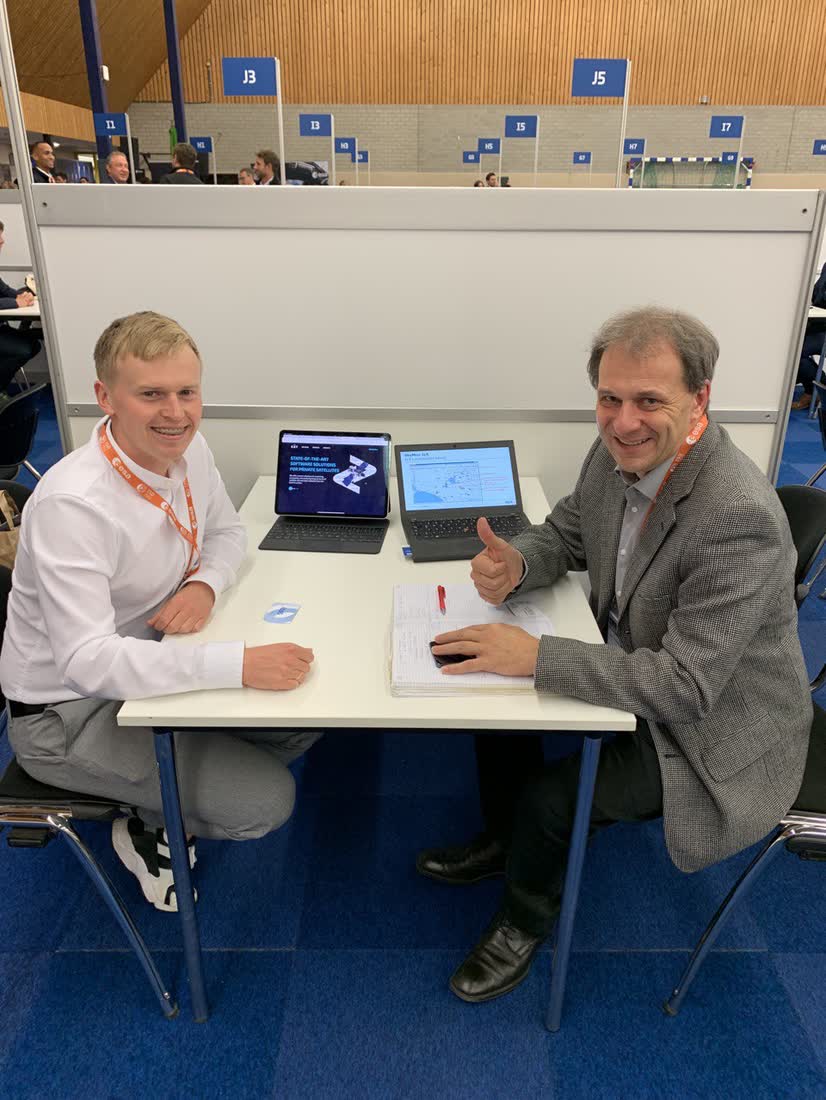
Georgiy Gres of Fluvius meeting a potential client at a European energy and space industry event in the Netherlands
Industry event · Netherlands

Hardware companies buy software from people who have stood next to the machine.

Thirty minutes, one diagram: how your data moves today and where the handoffs are manual.

How an engagement runs

Small, paid, fixed scope first. Open-ended builds are where these go wrong.

Step 00

Data Flow Audit

A call with the engineers, not a salesperson. We map every place data moves between your systems and mark the handoffs done by hand. You keep the one-page diagram.

Free · 30 minutes

Step 01

Fixed-scope discovery

Paid, time-boxed, defined deliverable: system access review, integration inventory, and a written build plan with a fixed price on phase one. You own everything it produces whether or not we continue.

Paid · ~2 weeks

Step 02

First working slice

One narrow piece in production and in use — a single integration, a single filing, one document type. You judge working software rather than a status report.

4–6 weeks

Step 03

Extend on evidence

Each subsequent phase is scoped against what the last one proved, so scope grows from measured results rather than from an original guess.

Phase by phase

Straight answers

The questions we get before anyone signs anything.

You’re a software company, not an oil company.

Correct, and we have no interest in replacing Quorum, WolfePak or your historian. Those systems are good at what they do and your team knows them. What is missing is the layer between them, and we work alongside your existing vendors to build it. The domain knowledge that matters for that job is how your data actually moves — which is exactly what the audit establishes before anyone writes a line of code.

Our production and land data is sensitive.

Deployment goes into your VPC or on-premise, so operational data stays inside your boundary. Your data is never used to train models, and any LLM processing runs against providers under zero-retention terms. The engineers on your project are named individuals under NDA, working on least-privilege read access that you grant and can revoke. We do not hold SOC 2 or ISO 27001 certification — if your process requires a certified vendor, tell us at the audit and we will say plainly whether we are a fit.

We brought in an outside dev shop once. It did not go well.

The common thread in those stories is an open-ended build against a target that kept moving, billed monthly, with the first usable output arriving nine months in. That is why the entry point here is a paid, fixed-scope discovery with a written plan and a fixed price attached to phase one, and why the first working slice lands in weeks. You own the output at every stage — schema, source code, documentation, credentials — so even the version of this where you walk away leaves you holding a map of your own data.

You’re in Europe.

Our working day runs 10:00–19:00 CET, which puts a live window against every US morning, and a written handoff is waiting when your day starts. Overtime is capped and cannot be billed without your written approval in advance, so nobody quietly runs up hours against a deadline. Fluvius USA Inc is a US company, incorporated in California, and you contract with it under US law. We have been shipping production software since 2017, including work delivered on-site inside a retail bank and applications live in production for government ministries. The team works European hours with full US-morning overlap, so you have live hours with the engineers on your project every working day, and you talk to them directly rather than through an account manager.

Is this a year-long project?

The first working deliverable lands in weeks. The phasing exists precisely so you are never asked to fund a year on faith: audit, then a two-week paid discovery, then one narrow slice in production inside 4–6 weeks. If the first slice does not earn its keep, you have spent a small, defined amount and you own what was built.

Who owns what you build, including anything a subcontractor touches?

You do, at every stage: source, documentation, infrastructure and credentials. The transfer is worldwide, with no time limit and no territorial limit, and anyone we bring onto the work assigns their intellectual property to you in writing before they touch it — the clause most agreements leave out, and the one that matters when the asset changes hands.

What if the first month goes badly?

The first 30 days of any engagement are a trial period, and either side can end it in that window without notice and without a penalty. It is in the agreement rather than in a sales conversation. A month of real work on your data tells both of us more than another round of evaluation would.


Where our experience transfers

A named case in energy. In upstream, the honest version.

We have not yet shipped a named upstream oil & gas product, and we would rather say so than let a skimming reader conclude otherwise. That half of the page argues from domain fluency and transferable capability. The energy half does not have to: the Sonnenrepublik programme is ours, it is named, and it has run for years.

Industrial control · C++

Tunnel-boring machine control software

Modernised the C++ control software and operator interface for tunnel-drilling machines: manual operation down 90%, efficiency up 240%. Machine control, operator HMI, and software that has to behave predictably around expensive equipment.

Sensor fusion · real time

PanoptesAI airspace security

Fused acoustic, RF, EO/IR and radar inputs into a single validated track, moving from detection to handoff in four seconds. Multi-source time-series reconciliation, which is the same problem shape as reconciling historian tags against field reports.

Direct energy case · named

Sonnenrepublik — embedded R&D for a novel power station for PV systems

Firmware, embedded software and hardware R&D for a novel power station for PV systems, built and sustained across years of product evolution. Not a dashboard bolted onto somebody else's hardware: the software that runs the device, the telemetry that leaves it, and the application people use — from one team, as one system. This is the case that makes the energy half of this page real.

Operations automation · LLM

Multi-system operations pipeline

A pipeline moving records across CRM, email, project management and reporting with LLM classification and enrichment: 300+ records a week automated, and roughly 80% less manual data entry in the first month.

What the firmware runs on

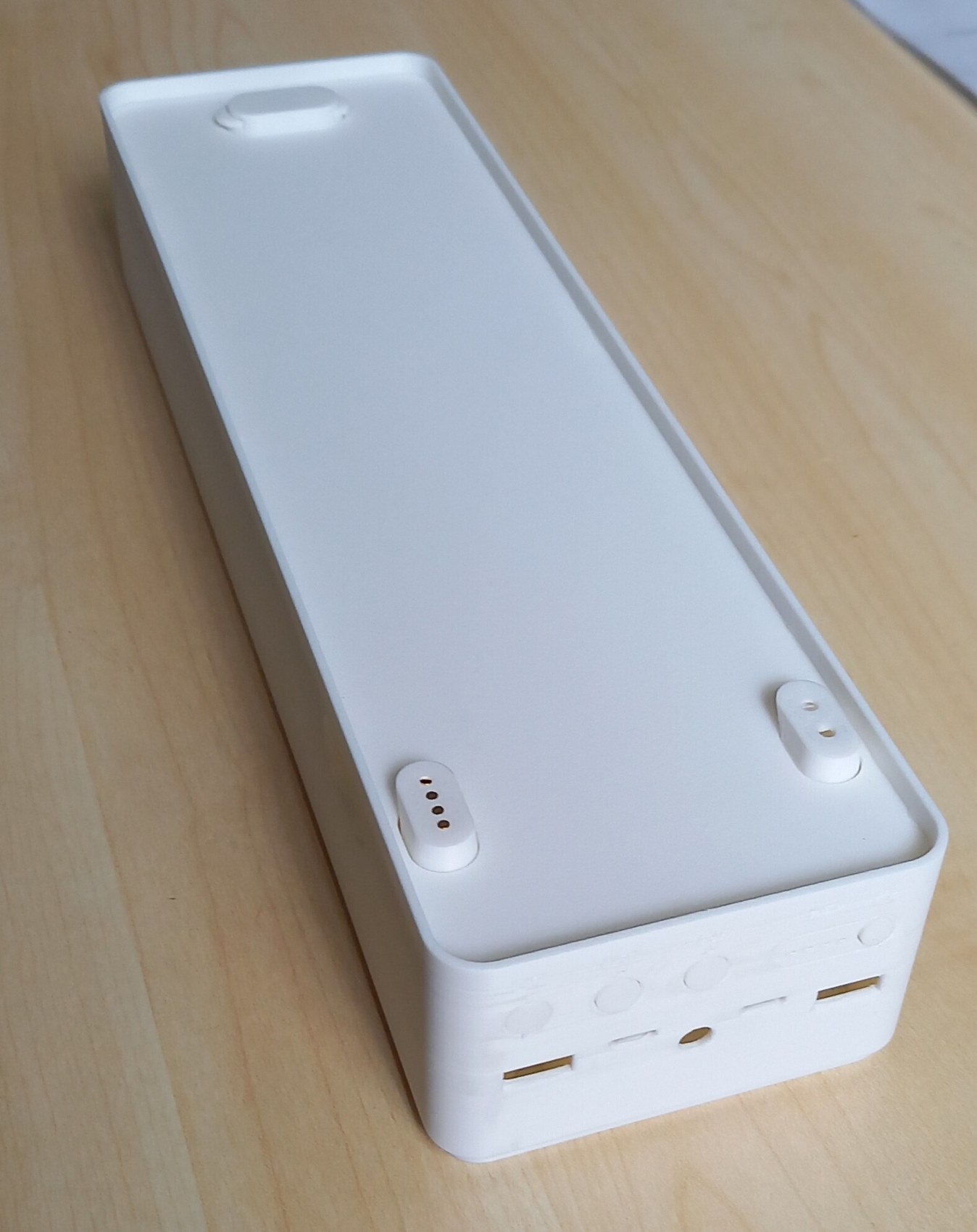
The energy case above is not a dashboard over somebody else’s hardware. This is the enclosure the firmware ships inside — designed, built and brought up as one system with the software that runs it.

The assembled enclosure of a power station for PV systems
Hardware, assembled

Who runs the audit

The Data Flow Audit is run by an engineer who has worked on this kind of system, not by a sales team — thirty minutes, one diagram, and no obligation attached to it.

Inspection system · in the field

The record behind the claim

Numbers from our own delivery system, and reviews we did not write.

Hours and delivered value come straight out of the system we run every project through. The Upwork figures next to them you can verify yourself in about thirty seconds.

200+

Clients served

10+

Years of happy clients

7+

Years our longest clients have stayed

100%

Job Success on Upwork

★★★★★  5.0

“They understood a difficult brief and delivered everything professionally, on time and on budget. I hope we have the opportunity to work together again soon.”
Westfield — UX improvement
Verified Upwork review

★★★★★  5.0

“Clean code, clear documentation, great communication and able to work well with a minimal brief and a constantly changing UX design.”
Client — HTML5/JS product build
Verified Upwork review

Many of our clients have been with us for 7+ years straight. 100% Job Success on Upwork · 4.9 / 5 on Clutch. Verify →

Not ready to talk yet

12 signs your production data is costing you money

A one-page diagnostic you can run against your own operation in about ten minutes. If you recognise more than four of them, the audit is worth half an hour of your time. If you recognise none, we would genuinely like to know how you got there.

One email with the checklist attached. No sequence, no newsletter.

Primary next step

Book the Data Flow Audit.

Thirty minutes with the engineers who would do the work. We map how data moves between your systems today and mark every handoff that runs on a person. You keep the diagram regardless of what happens next.

What you walk away with

A one-page data flow diagram of your operation

  • Every system in the loop — historian, accounting, land, engineering, regulatory — and what each one is authoritative for.
  • Each handoff marked automated or manual, with the lag on the manual ones.
  • The two or three places where a small piece of software removes the most hours.
  • A blunt note on anything we think is fine as it is. Not everything needs building.

The diagram is yours. Use it with us, with your existing vendor, or with nobody.

Company name is required.
A company email address, please.
RELATED SERVICES → Hardware & IoT Lab IoT & Edge AI Embedded Firmware Prototyping, Assembly & Testing All services